
Here are some fascinating facts about Animals
Octopuses have three hearts. One pumps blood around the body, while the other two pump it to the gills. The blood is blue, due to high copper levels.
Owls don’t have eyeballs. They have eye tubes.
Polar bears have black skin. This helps to absorb heat from the sun to stay warm in an Arctic climate, and it likely protects the bear from harmful UV rays.
A human brain operates on about 15 watts.
Butterflies can taste with their feet, using something called chemoreceptors that help them to identify plants. Females select the correct leaf on which to lay eggs by “drumming” it with her feet to release juices.
Animals with smaller bodies and faster metabolism see in slow motion.
Dogs’ sense of smell is about 100,000 times stronger than humans’, but they have just one-sixth our number of taste buds.
Reindeer eyeballs turn blue in winter to help them see at lower light levels. (They’re golden-coloured in summer.) No other mammals are known to have this ability.
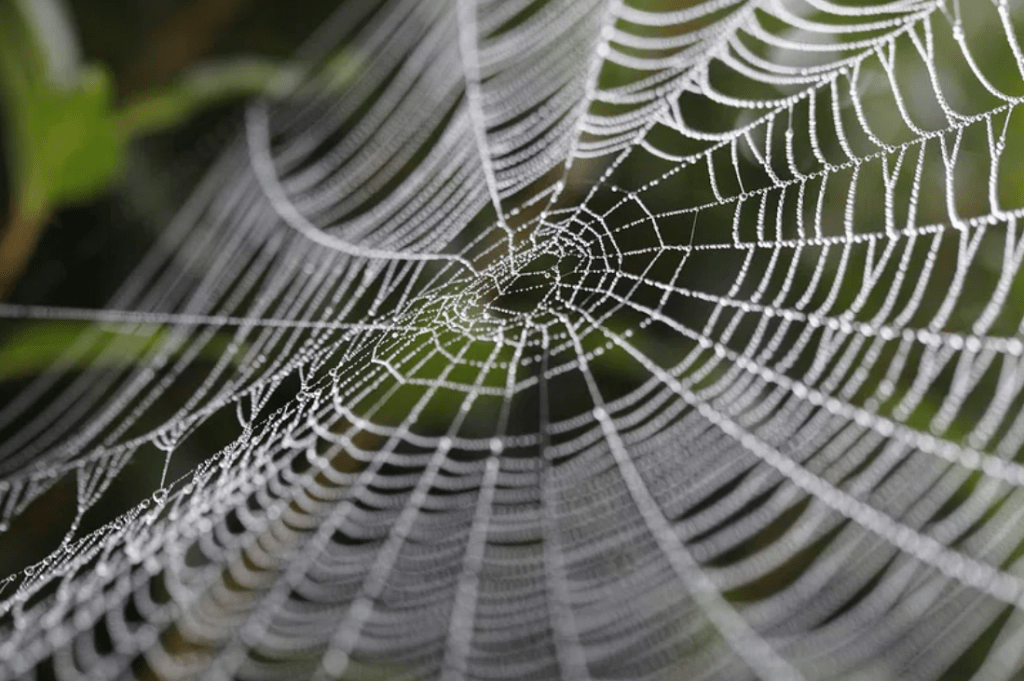
A single strand of spider silk is thinner than a human hair, but also five times stronger than steel of the same width. A rope just 2 inches thick could reportedly stop a Boeing 747.
The claws of a mantis shrimp can accelerate as quickly as a .22-caliber bullet. Scientists must keep them in thick plastic tanks because their punches can break glass.
A sea lion is the first nonhuman mammal with a proven ability to keep a beat. A female sea lion named Ronan was trained to do it by scientists, who then showed she could transfer that skill to a song with a different beat that she had not heard before.
Squirrels can’t burp or vomit. Nor can any other rodent. This happens to be why rat poison is so effective; other mammals tend to expel any toxic substance they ingest.
Honeybees can flap their wings 200 times every second.
A type of “immortal” jellyfish is capable of cheating death indefinitely.
Cats and horses are highly susceptible to black widow venom, but dogs are relatively resistant. Sheep and rabbits are apparently immune.
Sharks kill fewer than 10 people per year. Humans kill about 100 million sharks per year. They should be much more scared of us than we are of them.
Tardigrades are extremely durable microscopic animals that exist all over Earth. They can survive any of the following: 300 degrees Fahrenheit (149 Celsius), -458 degrees F (-272 C), the vacuum of space, pressure six times stronger than the ocean floor, and more than a decade without food.
Wild dolphins call each other by name. They let out a unique whistle to identify each other and will respond if they hear their own call played back.
Young goats pick up accents from each other. This means they join humans, bats, and whales as mammals known to adjust their vocal sound to fit into a new social group.
Humpback whale songs spread like “cultural ripples from one population to another.”
Elephants have a specific alarm call that means “human.”
There’s a place on Earth where sea-gulls prey on right whales. They dive-bomb the calves that are coming up to breathe air and take bites of blubber out of their backs. The calves’ skin is thinner than adults’ and they have to come up for air more frequently, making them more exposed and vulnerable to attack.
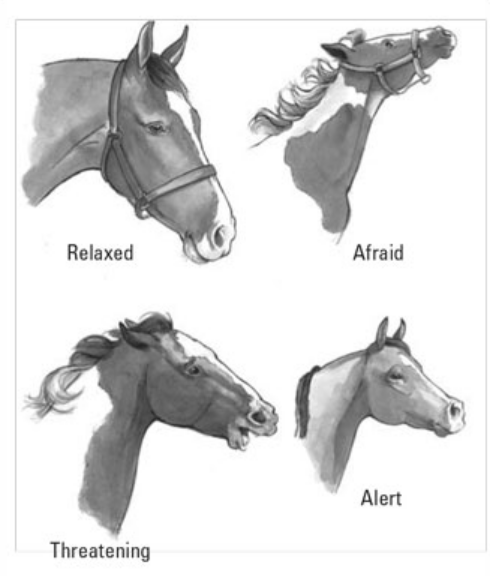
Horses use facial expressions to communicate with each other. Researchers have identified 17 discrete facial movements in horses.
Azara’s owl monkeys are more monogamous than humans. They live together as families, with two parents and offspring, for up to nine years or when one of them dies. Fathers are highly involved in caring for their young.
Male gentoo and Adelie penguins “propose” to females by giving them a pebble. These are precious because the penguins use them to build their nests, and they can be hard to find along the barren Antarctic shoreline. If the female accepts the pebble, the pair bonds and mates for life.
Barn owls are normally monogamous, but about 25% of mated pairs “divorce.” They do so if breeding is unsuccessful.
The bone-house wasp stuffs the walls of its nest with dead ants.
Less time separates the existence of humans and the Tyrannosaurus rex than the T-rex and the stegosaurus.

Animals have some unusual group names. For instance, a group of parrots is known as a “pandemonium“. Buffalo forms an “obstinacy” and rhinoceroses a “crash“. You may have heard of a “murder” of crows, but what about an “exaltation” of larks?
Warmer weather causes more turtles to be born female than male.
Fourteen new species of dancing frogs were discovered in 2014, raising the global number of known dancing-frog species to 24.
Discover more from Vigyan Setu Foundation
Subscribe to get the latest posts sent to your email.

