
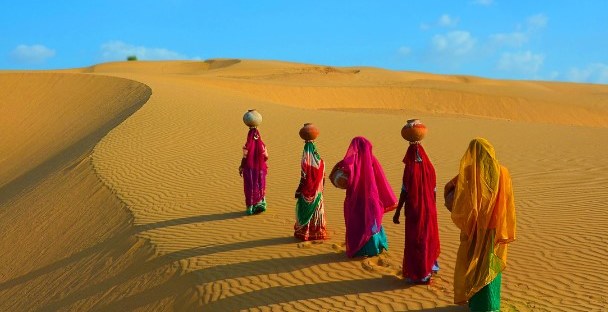
Droughts are among the greatest threats to sustainable development, especially in developing countries, but increasingly so in developed nations too. In fact, forecasts estimate that by 2050 droughts may affect over three-quarters of the world’s population.
The number and duration of droughts has increased by 29 percent since 2000, as compared to the two previous decades (WMO 2021). When more than 2.3 billion people already face water stress, this is a huge problem.
Women hold a vital stake in the health of the land, yet they often don’t have control over it.

In all parts of the world, women face significant barriers in securing land rights, limiting their ability to thrive and prosper.
In many regions, they remain subject to discriminatory laws and practices that impede their right to inherit and access to services and resources.
And when land becomes degraded and water is scarce, women are often the worst affected.
This year, the theme of the International Day Against Desertification, and Drought “Her land. Her rights”, emphasizes that investing in women’s equal access to land and associated assets is a direct investment in their future and the future of humanity. It’s time for women and girls to be at the forefront of global land restoration and drought resilience efforts.
Here are some interesting facts about Deserts;
- There are four different types of deserts:
Hot deserts: These are hot the entire year and have scorching temperatures during summers.

Coastal deserts: The winters are cool, but the summers are warm.

Cold deserts: These polar regions’ deserts remain freezing all year round.
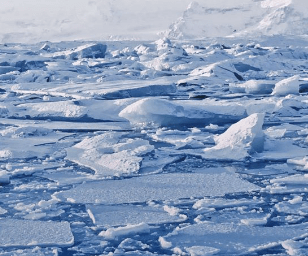
Icy deserts: They are found in mountainous regions and are characterized by hot summers and freezing winters with little to no rainfall.
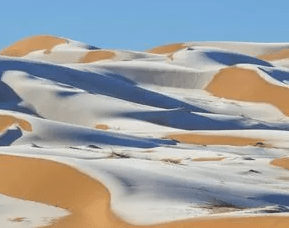
- Plants need water and sunlight to thrive. Although sunlight is abundant in deserts, water can be seriously scarce. Fortunately, the desert plant has miraculous adaptations that let them store water in the leaves. Their roots are long enough to reach the deep ends of the soil to extract any moisture for survival.
- Deserts can have numerous exotic species of plants, mammals, and reptiles. The Arctic desert alone has over 700 plants such as shrubs and lichens and around 120 animal species, including polar bears, arctic fox, walruses, and caribou.
- Usually, deserts are a place for nocturnal animals that hunt at night, including rattlesnakes, rodents, bats, and bobcats. Furthermore, the tortoise is a resilient desert animal since it can survive without water for a year and tolerate temperatures of more than 50 degrees.
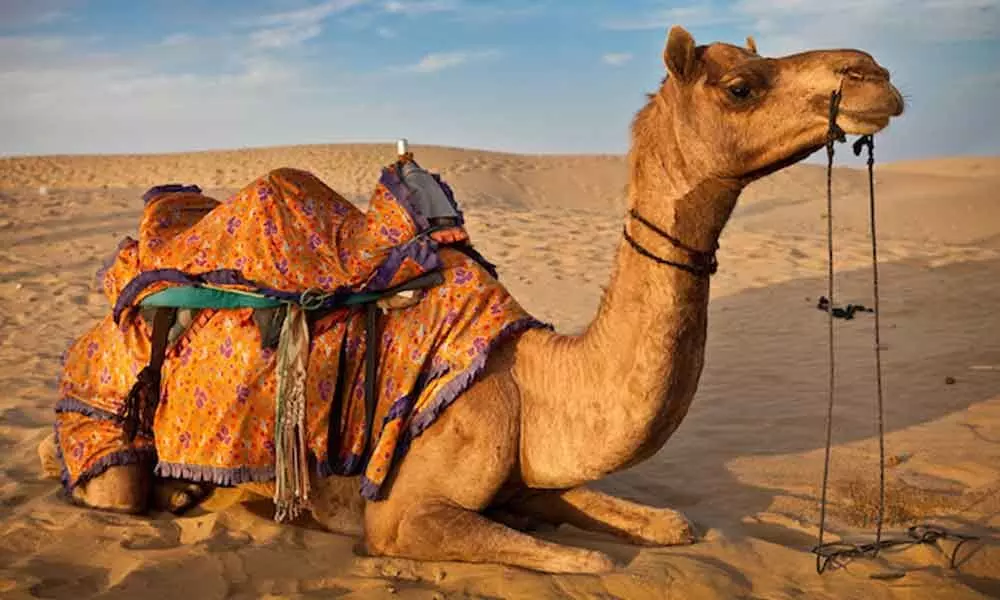
- Similarly, camels are often found in deserts and can go for weeks without water. Plus, their humps lock in the heat that keeps them warm during the nights.
- Deserts are a goldmine for solar power generation since you can find plenty of sunlight and silicon. Furthermore, the earth’s deserts receive more power from the sun in six hours than humans can consume during a year.
- Judeau Desert: The Land of Historical Artifacts. It’s a small desert (1500 km) in Israel that is a haven for historical sites of nature reserves, monasteries, and panoramas. Moreover, farming has been carried out in the desert since the 7th Century.
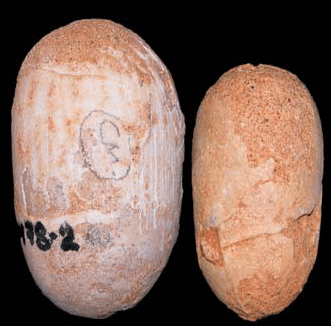
- Scientists discovered the first dinosaur eggs measuring 9 inches long in 1923 in the Gobi Desert.
- Carcross is the smallest desert found in Yukon, Canada. It just expands one square inch mile, roughly translating to 2.59 square km.
- Nearly 50 years ago, a new desert surfaced in Afghanistan known as Aralkum, measuring 45,000 square km. However, the desertification occurred primarily due to man-made toxic pesticides that erode the agricultural capability of the Land.
Discover more from Vigyan Setu Foundation
Subscribe to get the latest posts sent to your email.


Shivraj@1234
LikeLike