
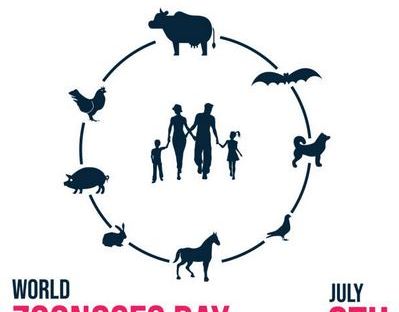
World Zoonoses Day is observed annually on July 06, the day that marks the first ever vaccine given for any zoonotic disease, in 1885. The purpose of this day is to raise awareness about zoonosis.
A zoonosis is an infectious disease that are naturally transmissible between a non-human animal to humans. Zoonotic pathogens may be bacterial, viral or parasitic, or may involve unconventional agents and can spread to humans through direct contact or through food, water or the environment. They represent a major public health issue globally due to our close relationship with animals in agriculture, as companions and in the natural environment.
Zoonoses comprise a large percentage of all newly identified infectious diseases as well as many existing ones. Some zoonoses can cause recurring disease outbreaks, such as Ebola virus disease and salmonellosis. Still others, such as the novel coronavirus that causes COVID-19, have the potential to cause global pandemics.
Several practices are recognized as effective in prevention and control of the risk at the community and personal levels. Safe and appropriate guidelines for animal care in the agricultural sector help to reduce the potential for foodborne zoonotic disease outbreaks through foods such as meat, eggs, dairy or even some vegetables. Standards for clean drinking water and waste removal, as well as protections for surface water in the natural environment, are also important and effective. Education campaigns to promote handwashing after contact with animals and other behavioural adjustments can reduce community spread of zoonotic diseases when they occur.
However, antimicrobial resistance is another complicating factor in the control and prevention of zoonoses. The use of antibiotics in animals raised for food is widespread and increases the potential for drug-resistant strains of zoonotic pathogens capable of spreading quickly in animal and human populations.
Zoonotic pathogens can spread to humans through any contact point with domestic, agricultural or wild animals. Markets selling the meat or by-products of wild animals are particularly high risk due to the large number of new or undocumented pathogens known to exist in some wild animal populations.

Agricultural workers in areas with a high use of antibiotics for farm animals may be at increased risk of pathogens resistant to current antimicrobial drugs.
People living adjacent to wilderness areas or in semi-urban areas with higher numbers of wild animals are at risk of disease from animals such as rats, foxes or raccoons. Urbanization and the destruction of natural habitats increase the risk of zoonotic diseases by increasing contact between humans and wild animals.
Key facts:
- A zoonosis is any disease or infection that is naturally transmissible from vertebrate animals to humans
- There are over 200 known types of zoonoses
- Zoonoses comprise a large percentage of new and existing diseases in humans
- Some zoonoses, such as rabies, are 100% preventable through vaccination and other methods
Discover more from Vigyan Setu Foundation
Subscribe to get the latest posts sent to your email.

