
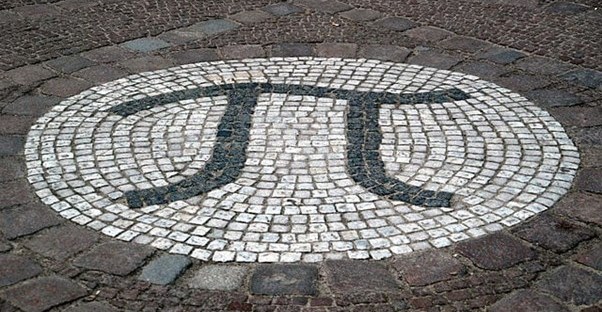
Here are some interesting facts about Pi
Neither 3.14 nor 22/7 is the actual value of pi (π). These are only some primary approximations of pi. We cannot find the exact and total digits after the decimal place of pi. We can remember the value of pi up to some digits. But, for Mathematical calculations, for easy use, the value of pi is assumed as 3.14 or 22/7.
Pi or the Archimedes Constant is equal to the ratio of a circle’s circumference to its diameter: C/D and commonly approximated as 3.14159.
The Value of Pi goes on as it’s an infinite number.
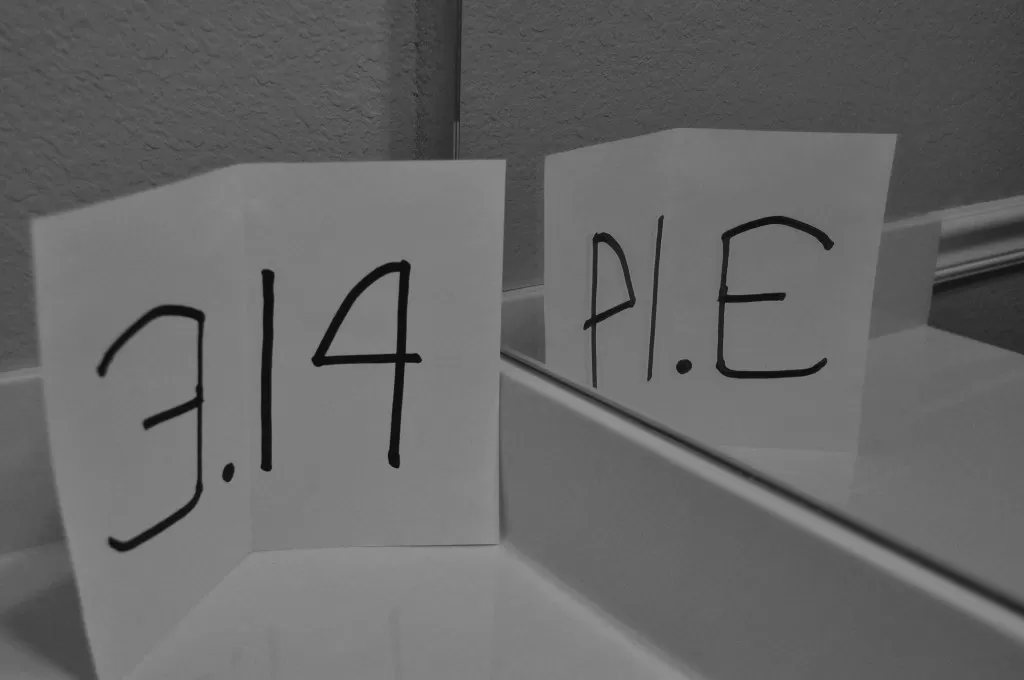
The mirror image of 3.14 reflects PIE.
Pi is a part of Egyptian mythology. It is being said that the Pyramids of Giza are built with the principles of Pi.
The calculation of the value of Pi can be used as a stress test for a computer processor.
In the Star Trek episode “Wolf in the Fold,” Spock foils the evil computer by commanding it to “compute to last digit the value of pi.”
Scientists in Carl Sagan’s novel Contact are able to unravel enough of pi to find hidden messages from the creators of the human race, allowing humans to access deeper levels of universal awareness.
Pi is the secret code in Alfred Hitchcock’s Torn Curtain and in The Net starring Sandra Bullock.
Umberto Eco’s famed book Foucault’s Pendulum associates the mysterious pendulum in the novel with the intrigue of pi.
A website titled “The Pi-Search Page” finds a person’s birthday and other well-known numbers in the digits of pi.
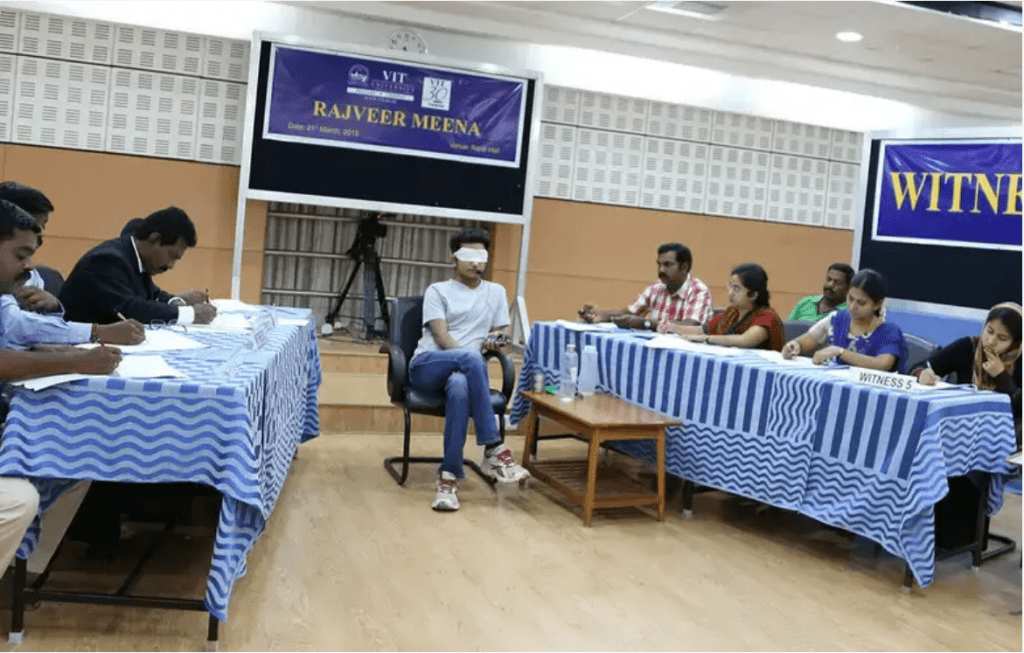
Rajveer Meena from Mohocha village in Swaimodhapur district of Rajasthan memorized 70,000 digits of pi after the decimal place. In this way, beating a Chinese record, Rajveer won the Guinness Book World Record for memorizing and reciting 70,000 digits of pi in 9 hour and 27 minutes on 21 March, 2015 and he was awarded on October 1. Following suit, Suresh Kumar Sharma, another Indian, memorized and recited up to 70,030 digits of pi (π) on 21 oct, 2015. It took him 17 hours and 14 minutes.
There is an entire language developed from the number Pi. Well, some people loved pi enough to invent a dialect based on it. In “Pi-lish” the number of letters in each word match the corresponding digit of pi. This first word has three letters, the second has one letter, the third has four letters, and so on. This language is more popular than you might think. Software engineer Michael Keith wrote an entire book, called Not a Wake in this language. This book has been written entirely in vocabulary based around the mathematical phenomenon.
This remarkable fraction, 355/113, was the best approximation of pi that existed until the late 14th/early 15th century, when the Indian mathematician, Madhava of Sangamagrama, came up with a superior method for approximating π: one based on the summation of infinite series.

Discover more from Vigyan Setu Foundation
Subscribe to get the latest posts sent to your email.

