

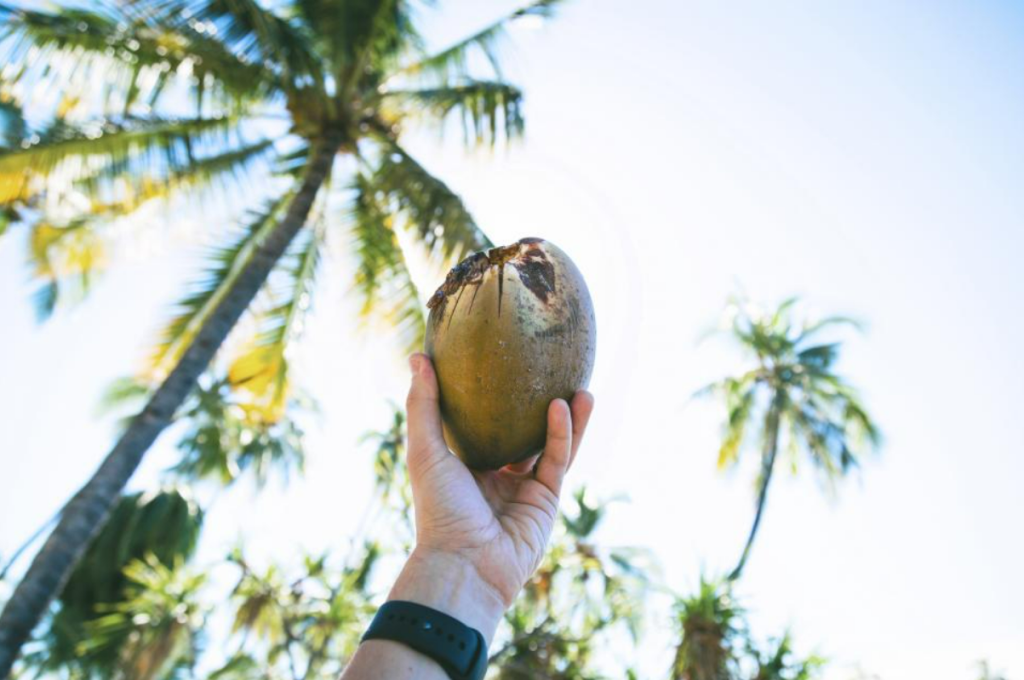
Here are some captivating facts about coconuts;
The name coconut is derived from the Portuguese word coco, meaning monkey-face image that the shell has with the 3 holes.
Coconut grenades were used in the World War II by the Japanese in which a coconut was filled with items most importantly a grenade, and then thrown at the enemy.
In 2011, Ho Eng Hui managed to pierce 4 coconuts in 12.15 seconds in Milan to set a world record.
People have actually used coconut fibres over the centuries to construct robust armour. This includes the natives of the Kiribati islands, who used woven coconut string to build their suits.
Coconuts, in different forms, are anti-viral, anti-fungal, anti-bacterial and anti-parasite.
On average, three and a half cups of coconut equate to 1 tbsp (25 grams) of fibre. This is the recommended daily amount of fibre an adult should have.
The coconut palm is actually the national tree of The Maldives
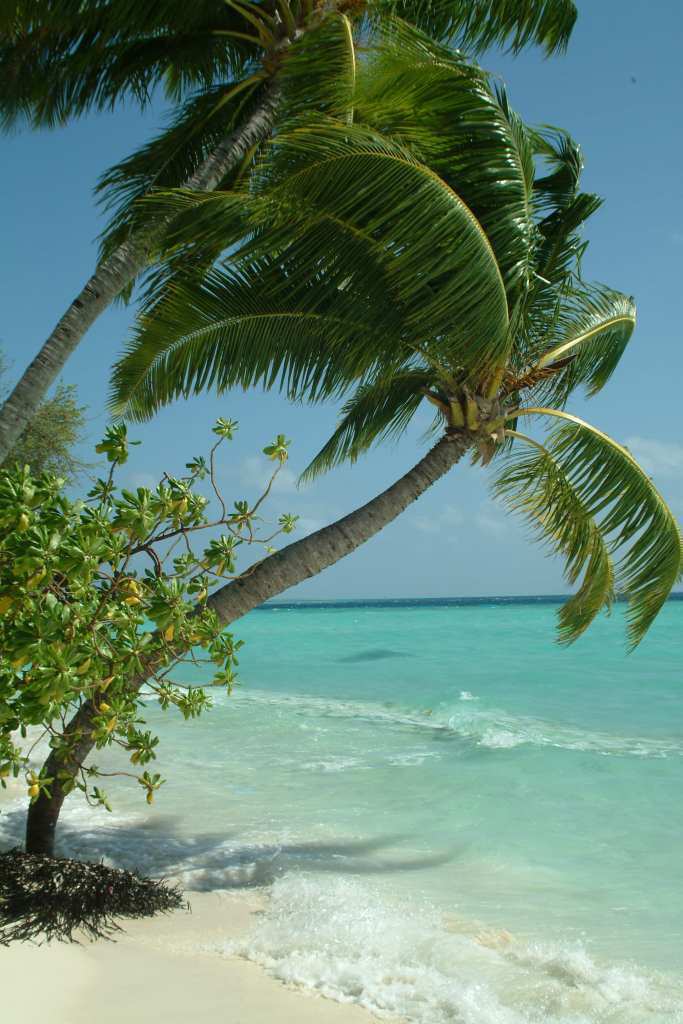
Falling coconuts cause death, although only a small amount. 2.5% of injuries in Papua New Guinea Provincial Hospital were reported as caused by falling coconuts. A very small number of those killed the patient.
Coconut water on average contains 94% water with around 46 calories a cup.
A coconut tree can have up to 180 coconuts harvested during a single harvest.
The coconut tree is botanically named Cocus nucifera and they can grow up to 82 feet (25 meters) high.
In 2013, police in the Maldives took possession of a coconut due to a belief that it had been cursed with black magic.
Just like mangoes, cashews and cherries, the coconut is actually a drupe and not a nut. The drupe has a fleshy outer around a pit.
During World War II coconut water was said to be used to treat dehydration due to short medical supplies.
The largest producers of coconuts are Indonesia, Philippines and India.
The coconut bra, famous for being a feature of the Hawaiian hula girl, is actually not native to Hawaii. The garment is a western idea that is not an authentic Hawaiian item.
The husk of a coconut can actually be burnt to act as a natural mosquito repellent, a process used in many countries around the world.

The fairground pastime of coconut shy, a game consisting of stacked coconuts and balls to knock them down, has photographic evidence of it being played as early as 1890.
Researchers are investigating whether coconut husks can be used as a low-cost solution to building material in the Philippines.
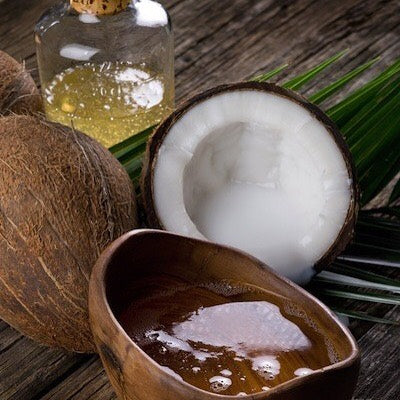
Coconut oil has swept the beauty world with so many celebrities and iconic figures swearing by it.
Coconuts are incredibly versatile and can be used in a variety of ways. The flesh can be eaten raw or cooked, and the milk can be used in cooking and baking. Coconut oil is also a popular ingredient in many beauty products, and the shells can be used as bowls or carved into decorative items.
Covering over 7,000 hectares, the Ticao Island Palm Plantation in the Philippines is the largest coconut plantation in the world. The plantation produces around 20 million coconuts each year.
Coconuts can float for long distances in water. The buoyancy of coconuts is due to their fibrous husk, which traps air and helps them float. Coconuts are known to have travelled thousands of miles across oceans and washed up on distant shores.
Coconuts are loaded with vitamins, minerals, and healthy fats. They are a great source of fibre, potassium, and magnesium, and the oil is high in lauric acid, which has been shown to have a range of health benefits.
Coconut oil has a natural SPF of around 4, which makes it a great natural sunscreen. It also has moisturizing properties, making it a popular ingredient in many commercial sunscreens.
Coconut shells can be carved and turned into a variety of musical instruments, including drums, maracas, and ukuleles.
The white flesh inside a coconut is packed with antioxidants, which can help protect the body against free radicals and oxidative stress.
Discover more from Vigyan Setu Foundation
Subscribe to get the latest posts sent to your email.


It is really a wonderful knowledge about coconuts. Thanks!
LikeLike
Please send my free certificate Quiz world coconut day 2023 my score is 8/10
LikeLike