
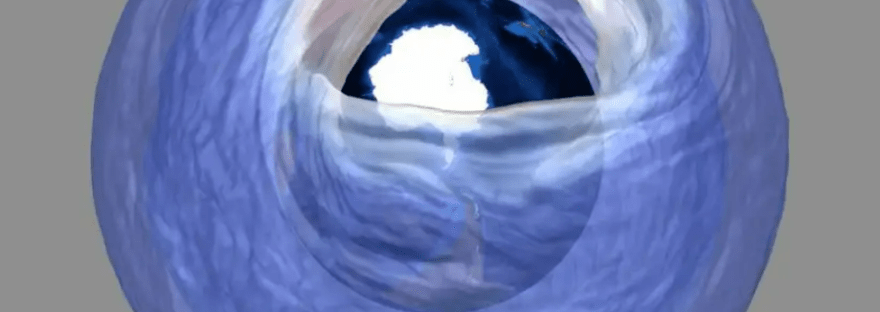
On World Ozone Day 2023, we celebrate the achievements of the Montreal Protocol on Substances that Deplete the Ozone Layer in fixing the ozone layer and reducing climate change.
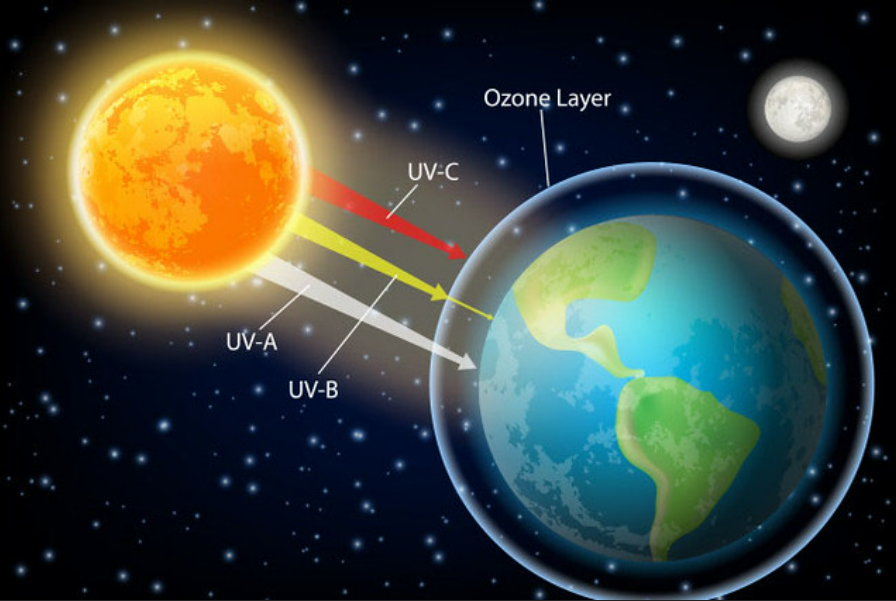
The theme for the 2023 International Day for the Preservation of the Ozone Layer, to be marked on 16 September, is Montreal Protocol: fixing the ozone layer and reducing climate change.
This reiterates the recent finding by the Scientific Assessment Panel of the positive impact the Montreal Protocol has on climate change, that ozone recovery is on track and how climate challenges can be supported through the Kigali Amendment.
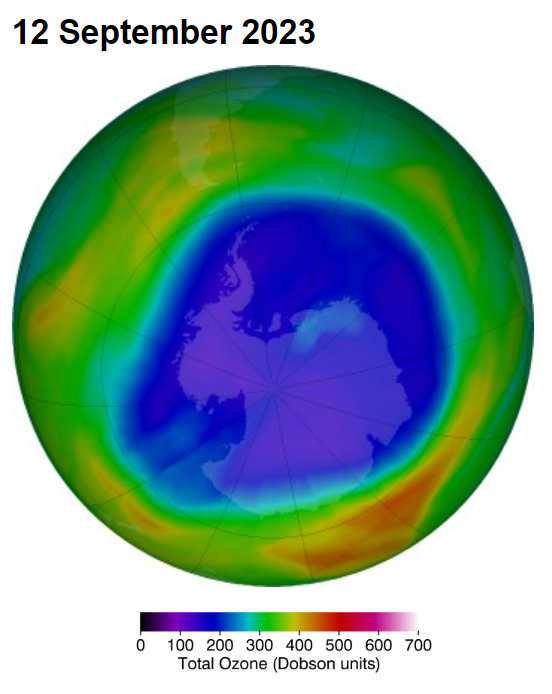
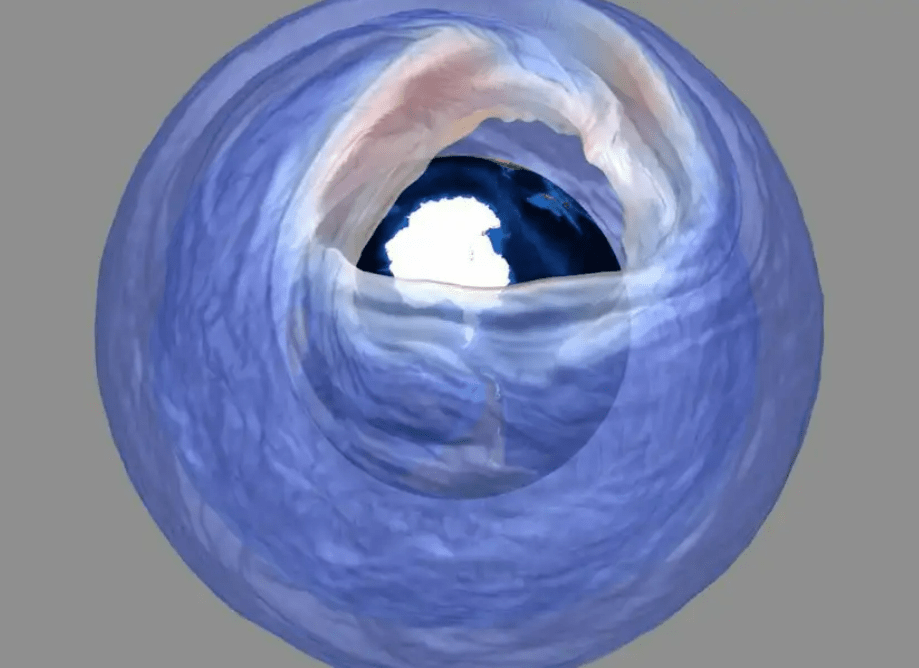
The latest update from the Scientific Assessment Panel to the Montreal Protocol confirmed that ozone layer recovery is on track and ozone levels are expected to return to 1980 levels by around 2066 over the Antarctic.
By banning ozone-depleting substances and allowing the ozone layer to slowly recover, the treaty is also protecting millions of people from skin cancer and eye cataracts, safeguarding ecosystems and slowing down climate change – as many ozone-depleting substances were also climate warming gases.
Here is some interesting information about Ozone;
In 1785 Martinus van Marum, a Dutch chemist was conducting experiments involving electrical sparking above water when he noticed an unusual smell, which he attributed to the electrical reactions, not realizing that he had created ozone.
When heat and sunlight cause chemical reactions between nitrogen oxides (NOX) and volatile organic compounds (VOC), also known as hydrocarbons, ozone is formed.
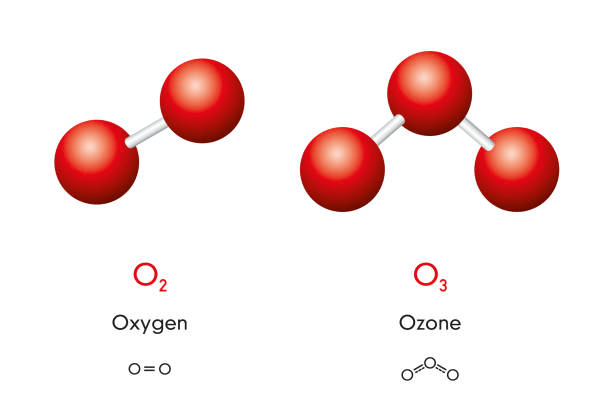
Christian Friedrich Schönbein, a half-century later, noticed the same pungent odour and recognized it as the smell that frequently follows a bolt of lightning. He succeeded in isolating the gaseous chemical in 1839. He named it “ozone,” which was derived from the Greek word ozein (v), which means “to smell.” As a result, Schönbein is widely regarded as the discoverer of ozone. Jacques-Louis Soret discovered the formula for ozone, O3, in 1865, and Schönbein confirmed it in 1867.
Ozone is also known as trioxygen, which denotes O3 chemically. An oxygen molecule contains two atoms.
The French physicists Charles Fabry and Henri Buisson discovered the ozone layer in 1913.
Czechoslovakia Bhartia et al. (1985) presented the first map of the Antarctic Ozone Hole that was produced by the TOMS satellite instrument at the IAGA/IAMAP conference in Prague that was held in August 1985.
Ozone is a colourless or pale blue gas that is slightly soluble in water but much more so in inert non-polar solvents like carbon tetrachloride or fluorocarbons, in which it forms a blue solution.
It condenses to form a dark blue liquid at 161 K (112 °C; 170 °F). Allowing this liquid to warm to its boiling point is risky because both concentrated gaseous ozone and liquid ozone can detonate. It forms a violet-black solid at temperatures below 80 K (−193.2 °C; −315.7 °F).
Most people can detect 0.01 mol/mol of ozone in the air, which has a distinct sharp odour similar to chlorine bleach. A dose of 0.1 to 1 mol/mol causes headaches, burning eyes, and respiratory irritation. Even low levels of ozone in the air are extremely damaging to organic materials such as plastics, latex, and animal lung tissue.
Ozone has some other industrial and non-industrial benefits, too, some of which are as follows;
• Disinfect or Sanitize laundry in hospitals, food factories, care homes etc
• Disinfect water in place of chlorine
• Kill bacteria on food or on contact surfaces
• Sanitize swimming pools and spas
• Kill insects in stored grain
• Clean and bleach fabrics
Humans, as well as animals, would be more vulnerable to skin cancer, cataracts, and immune system impairment if the Ozone Layer shield is weakened.
Discover more from Vigyan Setu Foundation
Subscribe to get the latest posts sent to your email.

