

World Fisheries day is celebrated every year on 21 November throughout the world by fishing communities, highlighting the critical importance to human lives, of water and the lives it sustains, both in and out of water.
Here are some fun facts about fishes. Let’s take a swim for these pearls.
Fishes come in all shapes and sizes, but they have a few common denominators: they live in water, they have a backbone, and they use gills for breathing.
Fossil records show that fishes have been around for over 500 million years, beginning with the Cambrian Explosion — way before the dinosaurs ever existed.
As of 2020, there were 34,000 known fish species around world. That’s more than the number of species in all other vertebrates: birds, reptiles, mammals, and amphibians combined.
If we’re going to be strict about it, jellyfish and starfish are not really fish because they don’t have a backbone. As a correction, many public aquaria are now using the terms “sea jellies” and “sea stars”.
To find out how old a fish is, scientists count the growth rings on its ear bones or its scales. These mark the passing of the seasons with distinct colours and thickness.
Fish need shelter or a way to move deeper underwater to avoid excessive sun exposure. If not, they can get sunburn as well.
Don’t be too hard on fish. Contrary to their reputation, fresh fish is almost odourless. The strong smell only develops due to improper storage, as a sign of deterioration.
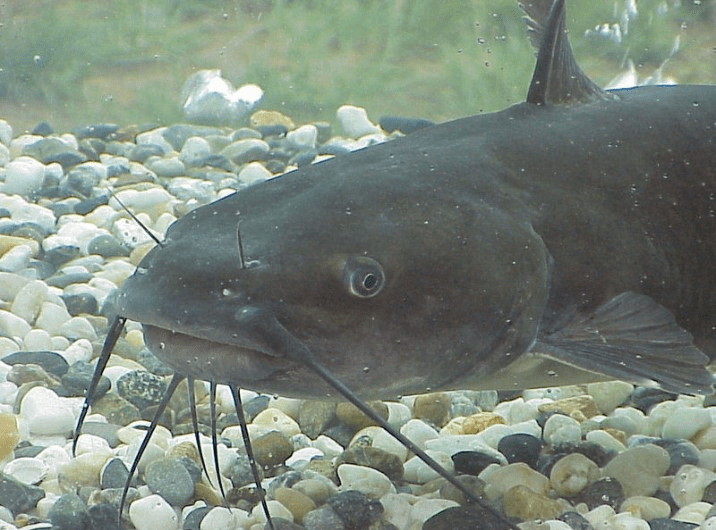
Fish mouths point in the direction of their food. Bass use their upward-facing mouths to creep up to their prey. Catfish have downward-facing mouths to feed on the sea floor. Barracudas use their forward-facing mouths to hunt everywhere.
Fish can be found in almost all bodies of water, even in high mountain streams. Examples of fish at high elevation include the char, trout, loach, and gaugeon.
The deepest fish habitat is the hadal zone located 6,000 to 11,000 meters below sea level. Here you can find cusk-eels, snailfish, and pearlfish. For perspective, the peak of Mount Everest is 8,849 meters high.
Fish slime may seem gross, but it’s a useful coating that makes them slippery, allowing them to move fast through water and avoid predators. The slime can also cover wounds to prevent infection.
Fish are like sea knights that grow their own armours. Their scales protect fish from predators and parasites. These also prevent injuries like cuts.
Many species of fish have a powerful sense organ called the lateral line running across their body. It can detect motion in the water, allowing them to hunt prey, avoid predators, and navigate in the dark.
Most fish don’t have eyelids, so they can’t blink. It’s hard to know whether they are relaxed or startled because they never change their expression.
Catfish have a more refined sense of flavour than humans. Our 10,000 taste buds may seem like a lot, but catfish can have as many as 175,000. This helps them find the exact location of their next meal.
Fish have small brains in comparison with other animals. For example, their brain is roughly one-fifteenth of a bird with the same body size. However, they exhibit surprising signs of intelligence.
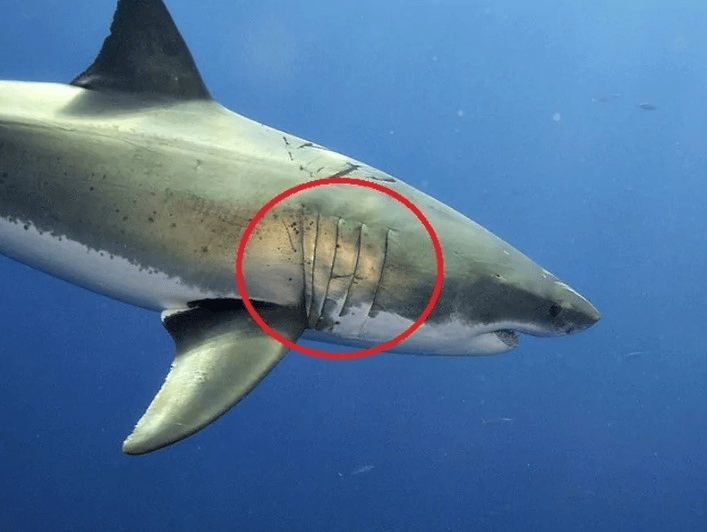
Most fish breathe through gills, which are thin sheets of tissue with a network of blood vessels. These absorb dissolved oxygen from the water into the blood and expel carbon dioxide as waste.
Most fish are ectothermic or cold-blooded, just like their distant relatives: reptiles and amphibians. They lean on the water’s ambient temperature to fuel their metabolism.
Tunas, barracudas, swordfish, and mackerels are exceptions to the rule. Tunas can maintain a body temperature of 90 degrees Fahrenheit despite swimming in 45-degree waters.
Fish typically stay at a certain depth, because the available food changes if they go up or down. Their special swim bladder helps them maintain their desired buoyancy without using a lot of energy.
The orange roughie stays true to its name. It can live for up to 150 years, putting it up there as one of the longest-living fishes that exist today.
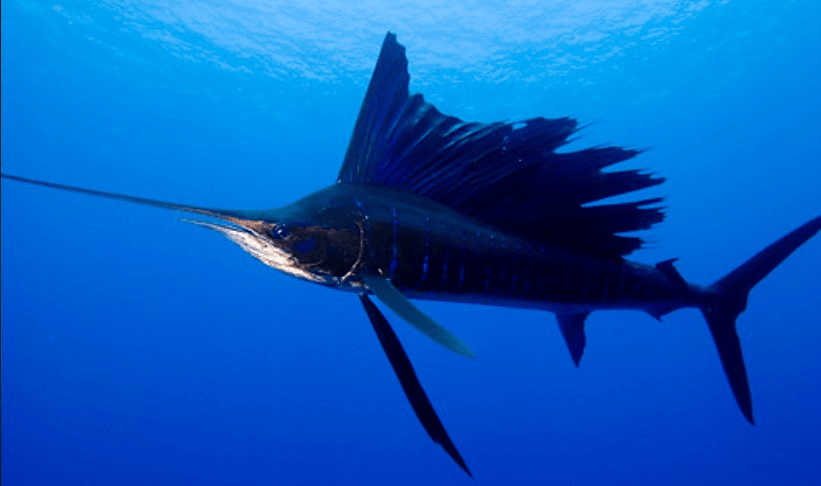
The sailfish can swim at a whopping speed of 68mph. The marlin is a far second at a top speed of only 50mph. Meanwhile, tunas can swim up to 47mph.
The biggest fish in the world is the whale shark. Adults can reach 50 feet in length and weigh several tons. Also worth mentioning is the basking shark which can grow up to 40 feet.
Make some noise for the croaker. It’s the loudest fish known to man with vocalizations that can reach 177 decibels. Males sound like an underwater machine gun when singing their mating songs.
The Northern Clingfish lives up to its name with an adhesive force that is 80 to 230 times greater than its bodyweight. Its belly has a modified suction cup that lets it stick to rocks and avoid getting washed away by strong currents.
The Antarctic ice fish has a natural antifreeze substance in their blood, allowing them to live in subzero waters.
Many people fear them, but the red-bellied piranhas of the Amazon are timid scavengers. They are unlikely to harm humans, preferring insects, worms, crustaceans, and other fish.
There is nothing better than a nice warm blanket. Parrot fish cover themselves in a blanket made of their own mucus for protection. It stops blood-sucking parasites from ruining their sleep.
The fascinating West African lungfish can breathe with both gills and lungs, allowing them to survive on land. During dry summers, they burrow in mud and stay dormant until the rainy season. They digest their own tail muscles to survive this period.
Only a few fishes swim backwards regularly. Eels take the crown as the backstroke specialist. The triggerfish and blue gill sunfish are great at it, as well.


They may not be as sophisticated as humans, but some fish are smart enough to use tools. For example, the orange-dotted tusk fish has been filmed smashing molluscs on rocks to break the shell and get the meat.
When anglerfish hunt, they use a glowing antler with a piece of meat like a fishing pole. In a case of extreme mating, male and female fuse to become a single organism. Females can absorb 6 or more males in their lifetime.
Salmon are born in freshwater but live at bountiful seas, after an epic thousand-mile journey. Upon maturity, they go back to spawn. They develop muscles strong enough to swim against rapids and move up small waterfalls.
The spotted climbing perch can gulp oxygen in the air as it crawls over land, using its pectoral fins. It can survive out of water for weeks.
Ancient Romans used the salema porgy for a different kind of fishing trip. Its Arabic name means “fish that makes dreams”. The small fish with gold-blue stripes has toxins that can invoke vivid hallucinations.
Halibut and other flatfish aren’t born flat. They start out looking like a normal fish. After 2 months, their skulls shift and pull both eyes on one side. Their bodies flatten, their colour changes, and they start eating other fish instead of plankton.
Discover more from Vigyan Setu Foundation
Subscribe to get the latest posts sent to your email.

