
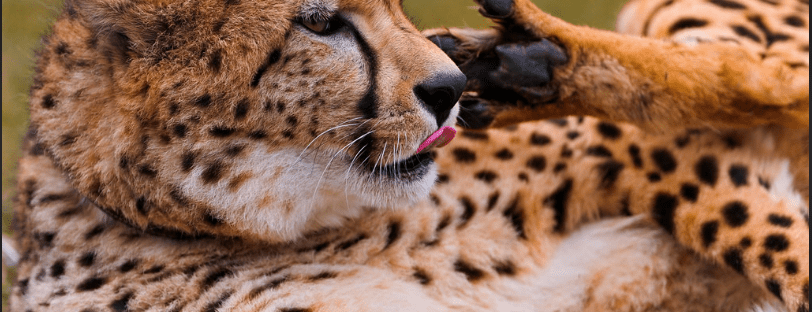
STORY BEHIND INTERNATIONAL CHEETAH DAY
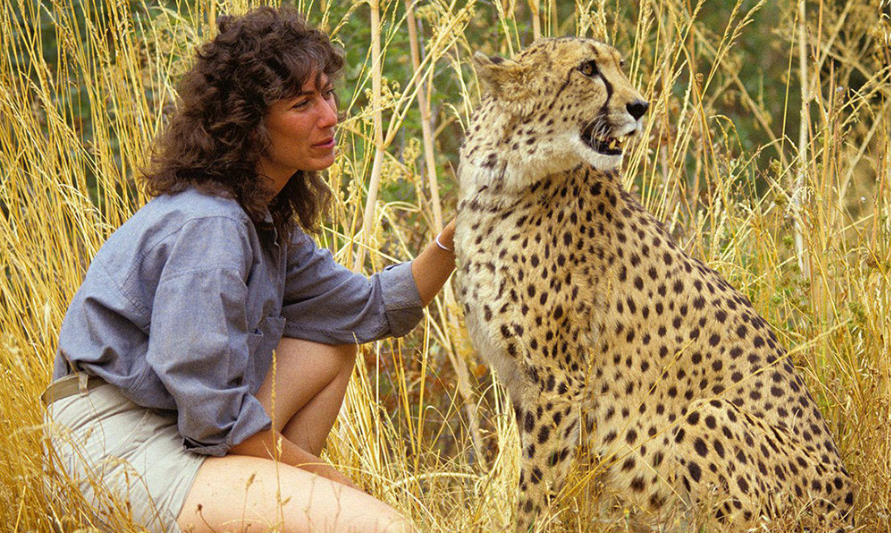
It all started in 1977 when American Zoologist, Dr. Laurie Marker took Khayam, a cheetah she raised from a cub at Wildlife Safari in Oregon, to Namibia. It was a part of an experiment to determine whether captive cheetahs could be taught to hunt and live in the wild on their own again.
The experiment was a success, and she and Khayam returned home to the U.S. But during her stay in Namibia, Dr. Marker noted that livestock owners posed a threat to the cheetah population in the wild. They were eliminating cheetahs vigorously because they were becoming a threat to their livestock.
Determined to help resolve the rift between Namibian farmers and cheetahs, Dr. Marker vowed to preserve the wild cheetahs and founded the Cheetah Conservation Fund in 1991. She negotiated with the locals and educated them about wildlife preservation. In honour of his memory, Dr Marker chose Khayam’s birthday as the day to promote cheetah conservation. Since 2010, the world has been celebrating International Cheetah Day on December 4 to raise awareness about the threat of extinction that they face.
Sadly, due to excessive hunting of wild cheetahs for their fur, and the loss of their habitat due to increased human settlements, as of 2020, there are only around 7,100 cheetahs left in the wild. This is a shocking 50% decline in the last four decades.
What does of Cheetah makes a CHEETAH
The Speed
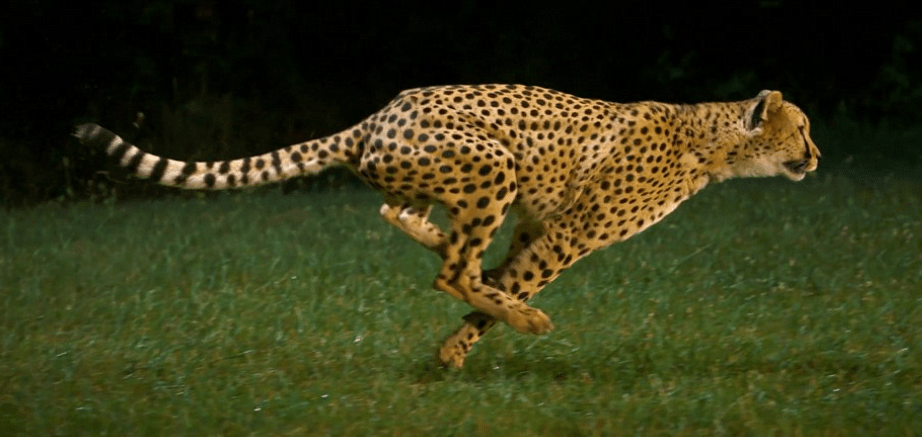
The cheetah is the world’s fastest land animal. They can run 70 mph (or 110 kph), which is as fast as cars drive on the highway. The cheetah can reach its top speed in just 3 seconds! When cheetahs are running full speed, their stride (length between steps) is 6-7 meters (21 feet). Their feet only touch the ground twice during each stride.
The Markings
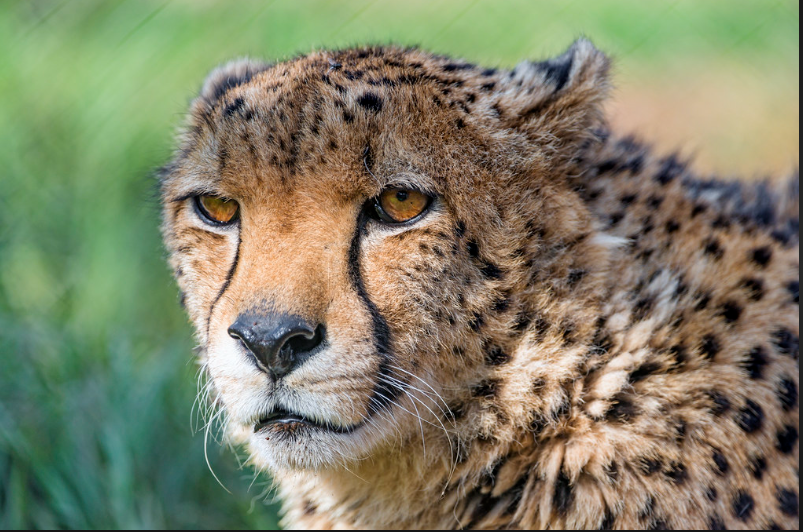
Cheetahs have “tear marks” that run from the inside corners of their eyes down to the outside edges of their mouth. These marks help reflect the glare of the sun when they are hunting during the day. They work just like the black marks that football players put under their eyes during the games. These marks also work like the sights on a rifle, to help the cheetah “aim” and stay focused on their prey when they are hunting.
The Tail

The cheetah has a long, muscular tail that has a flat shape. The tail almost functions like a rudder on a boat because they use it to help control their steering and keep their balance when running very fast.
The Spots

The cheetah’s fur is covered in solid black spots, and so is their skin! The black fur grows out of the black spots on their skin.
The Food
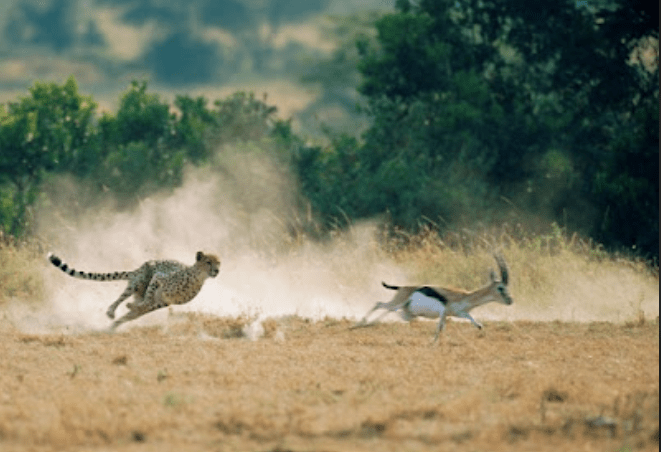
Cheetahs are carnivores, and feed mostly on smaller antelope like springbok, steenbok, Thomson’s gazelle, and duiker. They usually chase down their prey and then bite its throat, killing it by cutting off its air supply (suffocation).
The Cubs
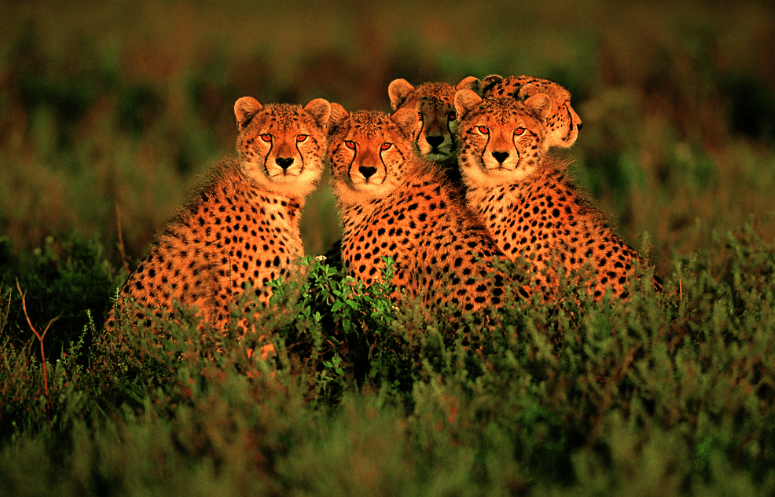
A mother cheetah usually cares for anywhere from 2 to 6, rarely 8 cubs per litter, but cubs are often the target of other predators, and many do not survive past the first year. Cheetah cubs have long tall hair that runs from their neck all the way down to the base of their tail, which is called the mantle. The mantle makes a cheetah cub look like a honey badger and makes them blend into tall grass, which helps keep them safe from threats like lions and hyenas.
The Vulnerable
Sadly, there are fewer than 7,500 cheetahs left in the wild, making the cheetah Africa’s most endangered big cat.
Discover more from Vigyan Setu Foundation
Subscribe to get the latest posts sent to your email.

