
Kidney Health for All: Advancing equitable access to care and optimal medication practice
Chronic kidney disease (CKD) is estimated to affect more than 850 million people worldwide and resulted in over 3.1 million deaths in 2019. Presently, kidney disease ranks as the 8th leading cause of death, and if left unaddressed, it is projected to be the 5th leading cause of years of life lost by 2040.
Over the last three decades, CKD treatment efforts have centered on preparing for and delivering kidney replacement therapies. However, recent therapeutic breakthroughs offer unprecedented opportunities to prevent or delay disease and mitigate complications such as cardiovascular disease and kidney failure, ultimately prolonging the quality and quantity of life for people living with CKD.
While these new therapies should be universally accessible to all patients, in every country and environment, barriers such as lack of CKD awareness, insufficient knowledge or confidence with newer therapeutic strategies, shortages of kidney specialists, and treatment costs contribute to profound disparities in accessing treatments, particularly in low-and-middle-income countries, but also in some high-income settings. These inequities emphasize the need to shift focus towards CKD awareness and capacity building of the healthcare workforce.
Here are some interesting facts about Kidney:
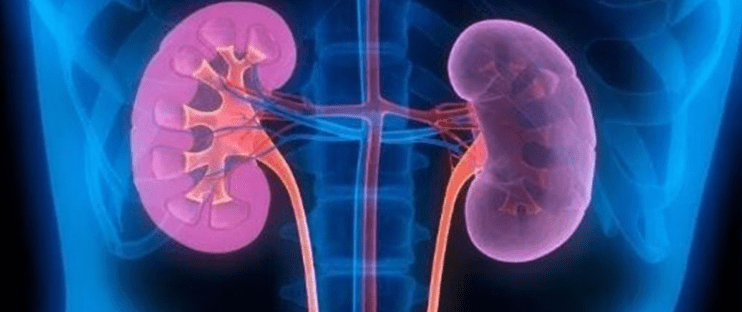
Human kidneys are located near the middle of your lower back, on either side of your backbone (spine). People tend to think they are on the sides of the tummy. They are not. They are about the size of your palm: 12 (10-14) cm long, 6 cm wide and 3 cm deep, and weigh 150g.
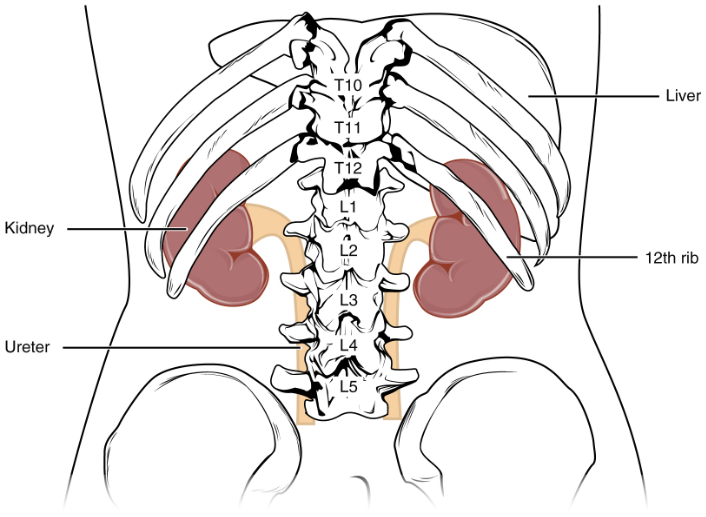
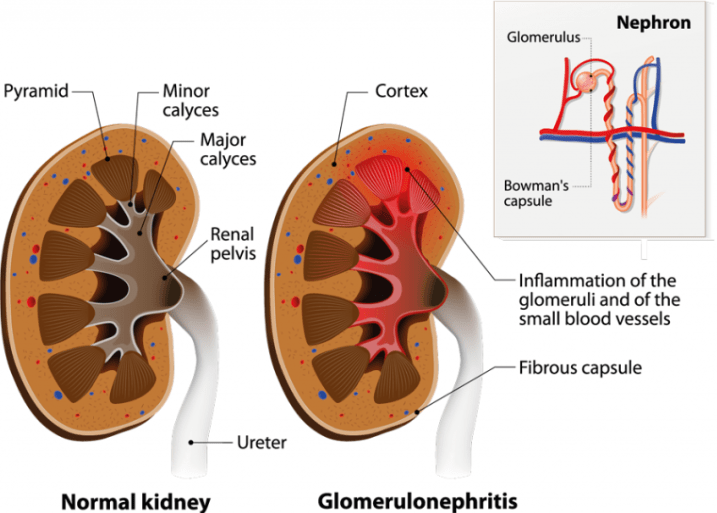
The kidneys are part of the urinary tract and each contain about 1 million glomeruli (filtering units, i.e. tiny sieves). In other words, the entire organ is not one big filter. It is a million tiny ones. Its main purpose is to filter the blood of waste and excess water and remove them from the body in the urine.
The first six human kidney transplants took place in Ukraine. The kidney transplants were carried out by Dr Yuri Yurijevich Voronoy (1895-1961). He was working in an obscure part of the Ukraine, between 1933 and 1949. The kidneys were transplanted into the thigh!
All kidney functions can be carried out by a single kidney. In fact 1 in 1000 people are born with one kidney and have few issues.
The world’s largest kidney stone – was removed from a patient in Sri Lanka. It was about the size of a grapefruit. At 13.4 cm and weighing 801 grams, it was removed by Sri Lankan Army doctors on June 1, 2023.
About 180 litres of blood are pumped from your heart through the kidneys every day. A normal adult human has 5 litres of blood in their bodies – this means the blood is filtered and cleaned 35x a day! Even though 190L are filtered, most of that liquid is put back (reabsorbed) into the blood. This means only 2L of urine are produced each day.
A Dutch doctor used sausage casing, orange juice cans, and a washing machine to make the first ‘artificial kidney’ during World War II. Dutch doctor Willem Kolff invented an artificial kidney from these simple parts. This evolved into modern-day haemodialysis.
Mammals empty their bladders on average for 21 seconds. .. despite a difference in bladder volume from 0.15 ml (mouse) and 300 ml (human), to 18 L (elephant) and 300 L (blue whale). This is called the Law of Urination.
Discover more from Vigyan Setu Foundation
Subscribe to get the latest posts sent to your email.

