
Plant Health, Safe Trade and Digital Technology
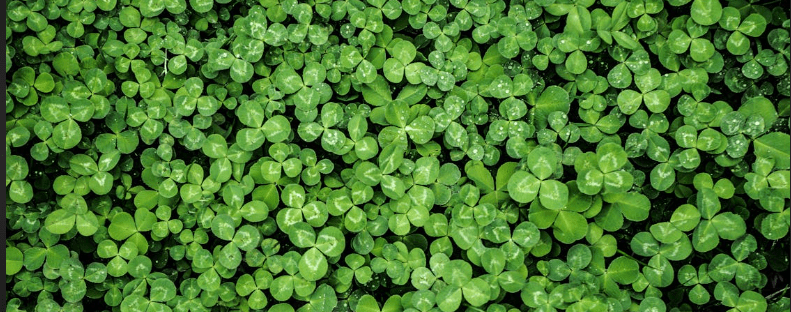
The United Nations designated 12 May the International Day of Plant Health (IDPH) to raise global awareness on how protecting plant health can help end hunger, reduce poverty, protect biodiversity and the environment, and boost economic development.
Plants contribute for 80 percent of the food we eat and 98 percent of the oxygen we breathe. But international travel and trade have been associated with the introduction and spread of plant pests. Invasive pest species are one of the main drivers of biodiversity loss and threaten the delicate web of life that sustains our planet. Pests and diseases have also been associated with rising temperatures which create new niches for pests to populate and spread.
In response, the use of pesticides could increase, which harms pollinators, natural pest enemies and organisms crucial for a healthy environment. Protecting plant health is essential by promoting environmentally friendly practices such as integrated pest management. International standards for phytosanitary measures (ISPMs) in trade also help prevent the introduction and spread of plant pests across borders.
The International Day of Plant Health 2024 calls on everyone to raise awareness and take action to keep our plants healthy and ensure food safety and safe trade for sustainable economies and livelihoods.
Here are some interesting facts about the Plant Kingdom –
The Plantae kingdom contains 14 phyla. The most diverse is the phylum Angiospermae, which consists of over 260,000 living plant species.
Over 600 distinct plant species have gone extinct in the past 250 years alone.
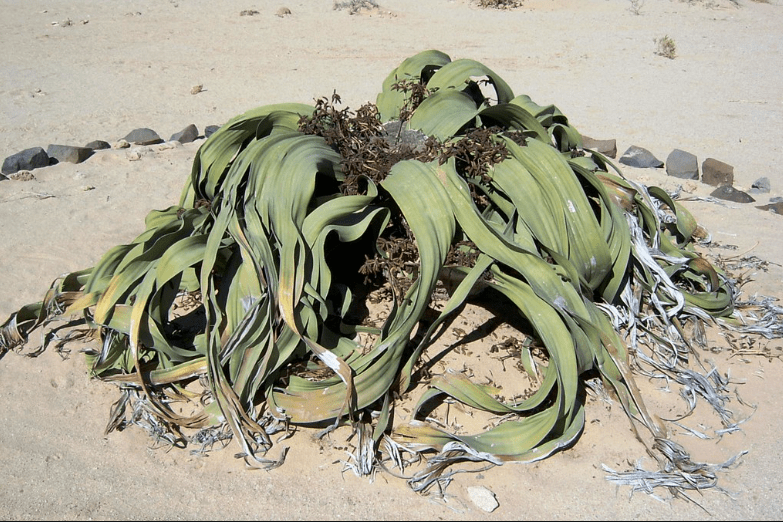
Plants of the genus Welwitschia are considered immortal. Many members of this genus haven’t evolved for over 3,000 years.
Wolffia, also known as duckweed, is the fastest-growing plant on the planet. However, bamboo is the fastest-growing woody plant, with a growth rate of up to 1 meter per day.

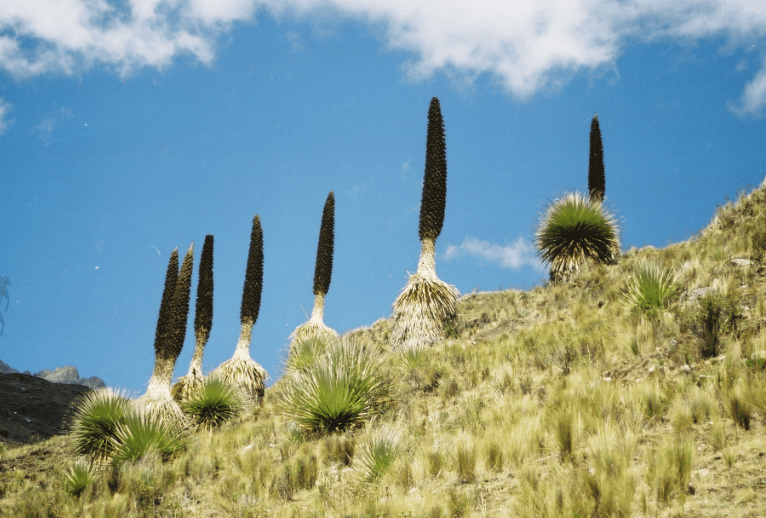
Puya raimondii, commonly known as queen of the Andes or locally as puya de Raimondi, is the slowest-growing plant in the world. It takes between 100 and 150 years to bloom.
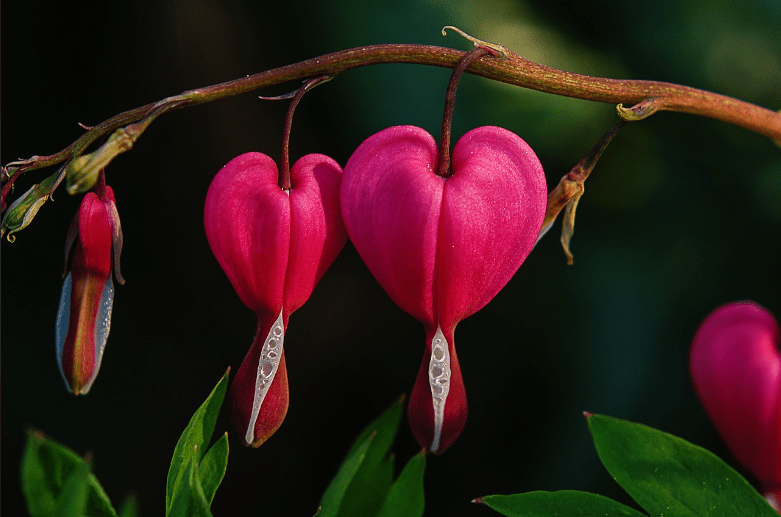
The bleeding heart (Lamprocapnos spectabilis) derives its name from the distinctive shape of its flowers, which resemble a pinkish heart with distinctive white tips that look like droplets. The plant is native to Siberia, China, Japan, and Korea.
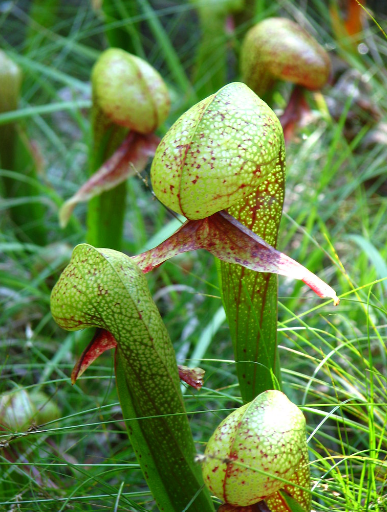
The cobra lily (botanically called Darlingtonia californica and commonly known as the Californian pitcher plant) lives up to its name. This carnivorous plant produces tubular tops that resemble a cobra’s hood.
Although commonly overlooked, water comprises the majority of a fruit or vegetable’s total weight. An apple is up to 84% water, a watermelon is 92% water, and cucumber is a whopping 96% water.
90% of the foods we consume come from only 30 plant species.
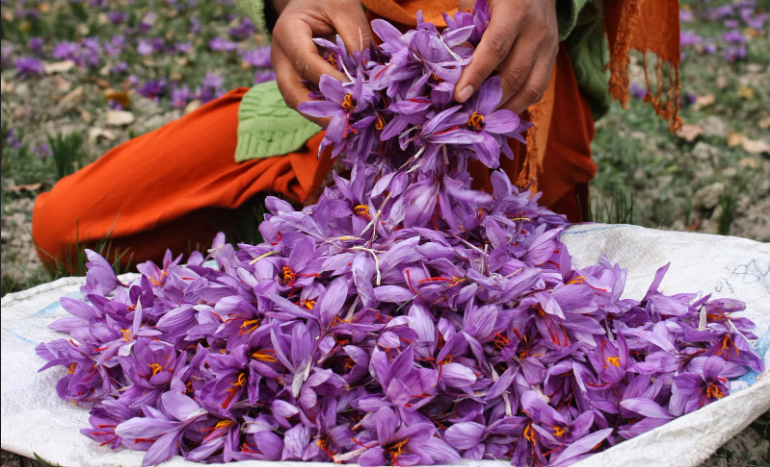
The world’s most expensive spice, saffron, is obtained from a type of crocus flower.
Humans can live considerably longer on plant-based diets than on animal diets.
Just 1% of rainforests have been studied for their medicinal potential and only 10% of the world’s plant-rich areas are protected.
Oak trees are more prone to lightning strikes than any other tree.
Cranberries have small pockets of air inside them which makes them incredibly buoyant.
The word “fruit” is botanical while “vegetable” is culinary.
More than half of all plant species are native to just five countries – Brazil, Colombia, China, Indonesia, and Australia.
Plants are more than twice as adaptable as animals.
Discover more from Vigyan Setu Foundation
Subscribe to get the latest posts sent to your email.

