
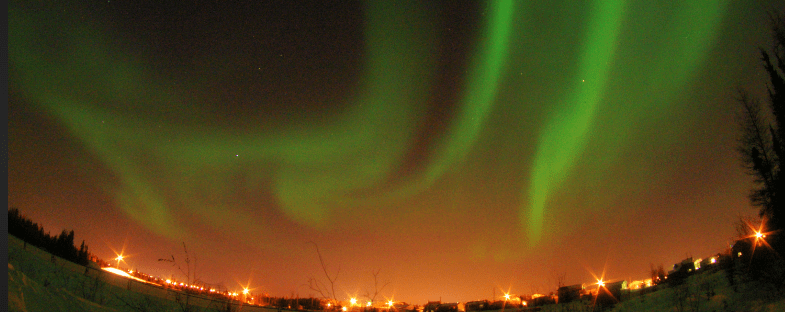
Every year on 16 May, the International Day of Light celebrates the role light plays in science, culture and art, education, and sustainable development, and in fields as diverse as medicine, communications, and energy. The celebration will allow many different sectors of society worldwide to participate in activities that demonstrates how science, technology, art and culture can help achieve the goals of UNESCO – building the foundation for peaceful societies.
The study of light has led to promising alternative energy sources, lifesaving medical advances in diagnostics technology and treatments, light-speed internet and many other discoveries that have revolutionized society and shaped our understanding of the universe. These technologies were developed through centuries of fundamental research on the properties of light.

Without light, our planet would be but a cold and barren place. Indeed, where there is light, there is often an abundance of life. Yet light represents even more for humanity. Light goes hand in hand with knowledge; it is a lens through which to see and understand the world.
Here are some illuminating facts about Light:
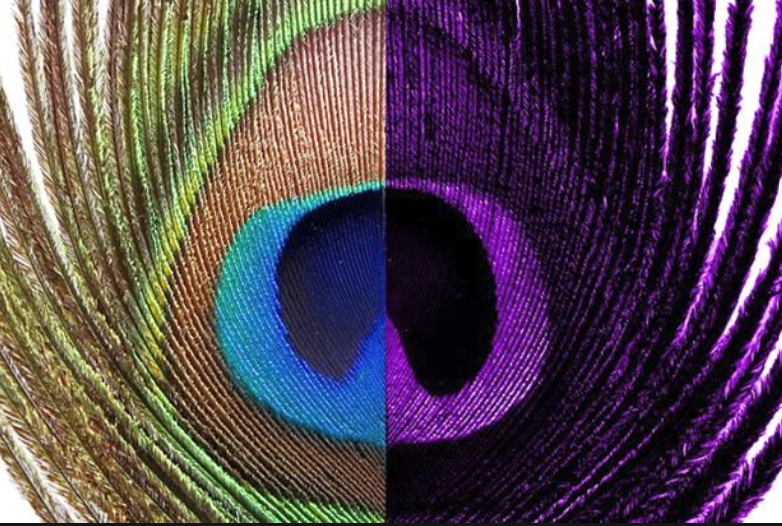
We can’t see all colours that exist because of limited light receptors. We have very limited vision when it comes to light! Many animals – such as chickens, believe it or not – can see many more colours than we can.
Goldfish have one over on us when it comes to light perception. Unlike humans, goldfish can see infrared radiation!
What’s more, birds can see UV light – we can’t, though it is hugely damaging to us. The reason human beings cannot detect ultraviolet light is that it is filtered out by our eye’s lens.
Some people can be allergic to light. Hence, they sneeze when subjected to bright lights. It’s thought to affect up to 35% of people, and it’s related to the ‘photic sneeze reflex’. The most bizarre part of all of this is the fact that no one really knows why this is even a thing!
A neon lamp that was switched on during the Great Depression and continued to burn until it was discovered some 77 years later. The electricity bill came up to a whopping $17 000!
When we say in a ‘jiffy’, we are referring to an existing unit of measurement. A ‘jiffy’ is the time it takes light to travel one centimetre in a vacuum. This works out to approximately 33.3564 picoseconds. And a picosecond is one-trillionth of a second.
From space, East and West Germany are distinctly seen. Since the different regions use different types of lightbulbs, the type of light produced is noticeably different.
In countries such as Japan and Scotland, the streetlights switch to blue at night. This has resulted in lowered cases of crime and suicide. Proof to the theory that blue light has a calming effect on human beings.
Scientist and developers are working on extracting the bioluminescence that occurs naturally in certain jellyfish and fireflies. If they are successful, we could soon have bioluminescent trees that will not require energy.
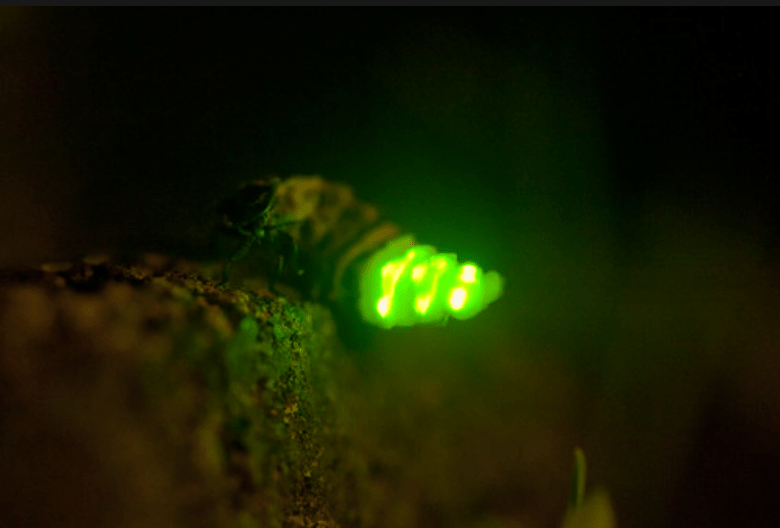
It’s thought that around 90% of all animals and creatures that live deeper than 1,500 feet into our oceans are bioluminescent, which means that they have the natural ability to give off light.

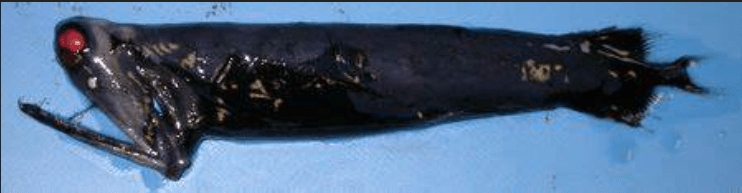
It is well known that Angler Fish hypnotises its prey with a bioluminescent light before devouring it. However, there is also the less popular Stoplight Loosejaw, who takes advantage of its prey’s disability to see red light. It projects a beam of red bioluminescence to hunt with ease.
Discover more from Vigyan Setu Foundation
Subscribe to get the latest posts sent to your email.

