

Honouring women around the world, from crop to cup
International Tea Day 2024 highlights women and their role in the tea sector. It is also an opportunity to celebrate the cultural heritage, health benefits and economic importance of tea, while working to make its production sustainable “from field to cup” ensuring its benefits for people, cultures and the environment continue for generations.
Tea production and processing contributes to the reduction of extreme poverty (Goal 1), the fight against hunger (Goal 2), the empowerment of women (Goal 5) and the sustainable use of terrestrial ecosystems (Goal 15).
Moreover, there is an urgent need to raise public awareness of the importance of tea for rural development and sustainable livelihoods and to improve the tea value chain to contribute to the 2030 Agenda for Sustainable Development.
Tea production is highly sensitive to changes in growing conditions. Tea can only be produced in narrowly defined agro-ecological conditions and, hence, in a very limited number of countries, many of which will be heavily impacted by climate change.
Changes in temperature and rainfall patterns, with more floods and droughts, are already affecting yields, tea product quality and prices, lowering incomes and threatening rural livelihoods. These climate changes are expected to intensify, calling for urgent adaptation measures. In parallel, there is a growing recognition of the need to contribute to climate change mitigation, by reducing carbon emissions from tea production and processing.
Therefore, tea-producing countries should integrate climate change challenges, both on the adaptation and mitigation front, into their national tea development strategies.
Here are some invigorating facts about tea. Take them sip by sip;
Tea is a beverage derived from the leaves of a plant called Camellia sinensis.
There are four basic types of tea derived from the Camellia sinensis plant, these varieties are Black, White, Green, and Oolong.

The leaves from the Raspberry plant can be steeped to produce a Herbal Tea.
Rooibos is a herbal tea grown in South Africa. Its leaves are shaped like needles and they’re fermented exactly the same as regular tea leaves.

Roasted Brown Rice and Green tea together are served as Genmaicha in Japan. This formed part of the staple diet when times were hard, to provide more of a meal.
Matcha Tea is a green tea that comes in powder form, used extensively in Japanese Tea ceremonies.
Butter tea is a common Tea in Tibet. It is made using black tea, Yak Butter, and Salt.
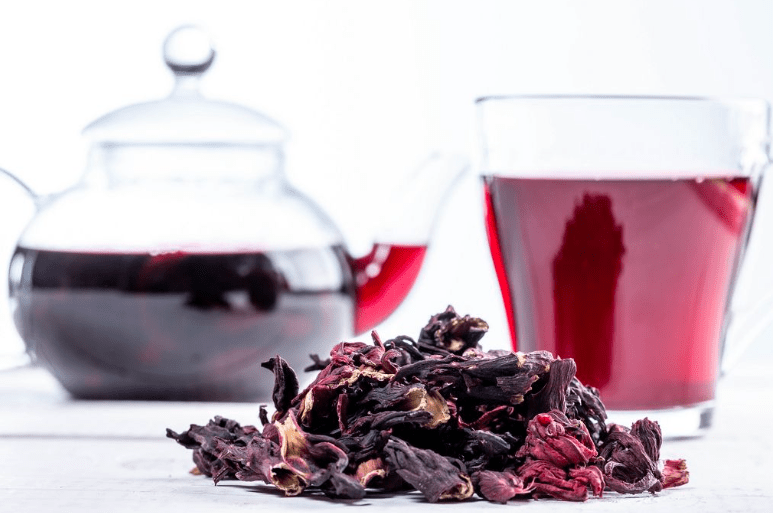
Karkade is a common tea consumed in Egypt, made from hibiscus flowers and lots of added sugar.
In the Middle East, a common tea is Moroccan Mint Tea. Simply add spearmint to Black tea during steeping.
Olive leaf tea is native to Italy where tea is made from Mission Olive Trees and Manzanillo.
Pu-Erh Tea is compressed into a number of different forms. Each shape is given a different name. Bing, Beeng, Cake, or Disc is the most common. Tuocha, Bowl, or Nest is a ball-shaped form. Dragon Pearl is also round in shape, as is Melon, or gold melon. Others include Brick, square, and Mushroom.
Oolong tea can be steeped up three times, each time providing a different layer of flavor.
One particular blend of Oolong and Darjeeling is known as ‘Sherpa Tea’. This is because it’s made at high altitudes due to the water boiling at a lower temperature.
As you would expect, ginger tea has many benefits. Made using either ground or fresh ginger. Believed to aid in fighting cold symptoms, as well as morning sickness.

Chrysanthemum tea is a herbal tea consumed in both China and Korea. It’s a medicinal herbal tea believed to reduce headaches and fevers.
Darjeeling tea is more expensive. Largely as it’s only grown in a 70 square-mile area at the foot of the Himalayas. Because of this, it is referred to as the ‘Champagne of teas’
Globally, over 3 million tons of tea is produced every year.

The art of reading Tea leaves is known as Tasseography. This word originated in France. Tasse means cup. This extended to reading coffee grains and wine too. No one knows the exact origin of Tasseography.
The ‘Agony of the Leaves’ was the phrase coined to describe the curling of the tea leaves when hot water is poured over them.
Tea is known to be a natural source of fluoride. It helps protect against both tooth decay and gum disease.
Tea contains “polyphenols”. These are the antioxidants that repair cells and are said to aid our immune system and bodies to help against cardiovascular diseases, cancers, diabetes, osteoporosis, and other potential ailments.
Discover more from Vigyan Setu Foundation
Subscribe to get the latest posts sent to your email.

