
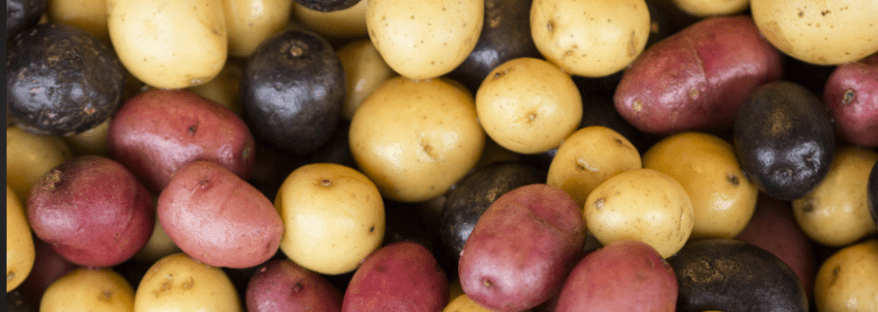
Theme of the first International Day of Potato celebrated on May 30, 2024 is “Harvesting Diversity, Feeding Hope.”
On 30 May, the spotlight is on the potato, Solanum tuberosum (L.) – a crop regularly consumed by billions of people. Potatoes are a key crop across diverse farming systems globally, ranging from smallholders producing diverse heirloom varieties by hand in the Andes, to vast commercial, mechanized farms in different continents. As the third most consumed food crop globally, potatoes contribute to the food security and nutrition as well as and livelihoods and employment of people in rural and urban areas the world over.
The Day is an opportunity to build on the International Year of the Potato, which was observed in 2008. The observance will also be used to underscore the importance of the crop to combating hunger and poverty and addressing environmental threats to agrifood systems. The roles of small-scale family farmers, a significant proportion of whom are women, in safeguarding the wide spectrum of the crop’s diversity, will also be recognized, while the cultural and culinary dimensions of the crop’s cultivation and consumption will be celebrated.
Originating in the Andes, the potato sustains the Inca civilization and is revered as the “flower of ancient Indian civilization.”
Brought to Europe in the 16th century, the potato supported the rise of urbanization and fuels the Industrial Revolution.
During the Qing Dynasty, the potato alleviated famine in China, securing its place as an essential crop.
In World War II and subsequent conflicts, the potato’s high yield and resilience provided food security during shortages.
Ireland’s Great Famine of the 1840s is a stark example of how a lack of diversity in the genetic base and cropping systems can lead to disastrous outcomes.
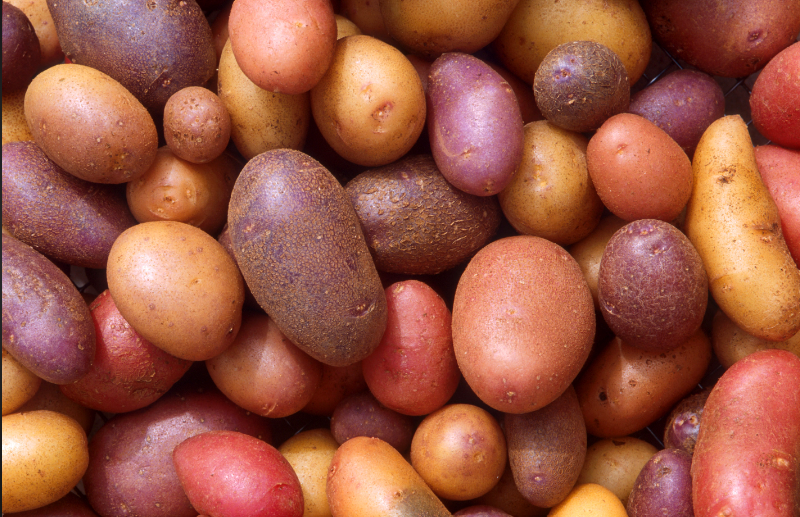
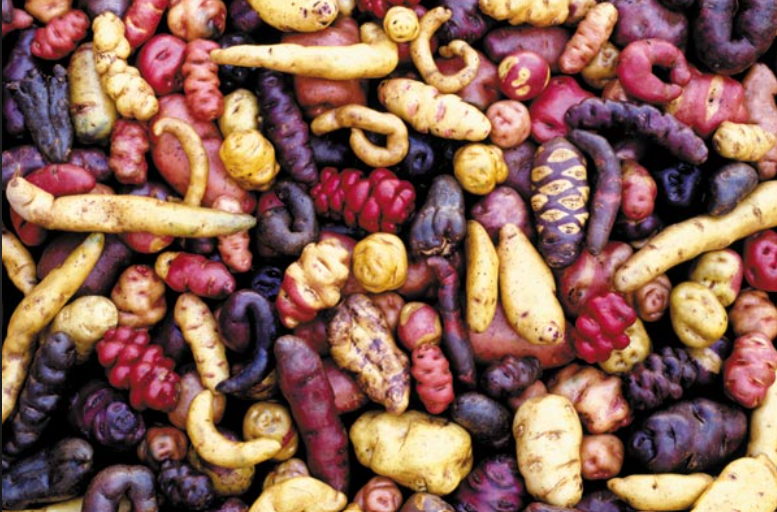
Today, the potato stands as a beacon of food security and a pillar of sustainable agriculture: with more than 5 000 potato varieties offer a genetic wealth to combat pests, diseases, and climate change impacts, guiding sustainable agriculture practices.
A potato park
The 12 000-hectare potato park located in the Andes near Cusco, Peru is one of the few conservation initiatives in which local communities are managing and protecting their potato genetic resources and traditional knowledge of cultivation, plant protection and breeding. The Potato Park helps preserve indigenous knowledge and ancient technologies, while ensuring that the production of native varieties remains under local control.
Potatoes are also used to produce bio-based products
Potato starch is being creatively used as a sustainable alternative to traditional plastics. These materials based on potato proteins and starch can be used for various packaging, like food containers and medicine capsules. Plus, they’re gluten-free and environmentally friendly, making them a smart choice for the food industry.
3rd most consumed food globally
159 countries cultivate potato
5 000 varieties worldwide
8 000 years and going strong!
Discover more from Vigyan Setu Foundation
Subscribe to get the latest posts sent to your email.

