

Cycling is the greenest mode of transportation that currently exists. It takes only 5% of the resources that are used to manufacture a car to build a bicycle. On top of that, bicycles cause zero pollution.
Acknowledging the uniqueness, longevity, and versatility of the bicycle, which has been in use for two centuries, and that it is a simple, affordable, reliable, clean and environmentally fit sustainable means of transportation, fostering environmental stewardship and health, the United Nations General Assembly decided to declare 3 June World Bicycle Day.
Everyone can help limit climate change. From the way we travel, to the electricity we use, the food we eat, and the things we buy, we can make a difference. The world’s roadways are clogged with vehicles, most of them burning diesel or gasoline. Walking or riding a bike instead of driving will reduce greenhouse gas emissions — and help your health and fitness.
Here are some interesting rides on a Bicycle:
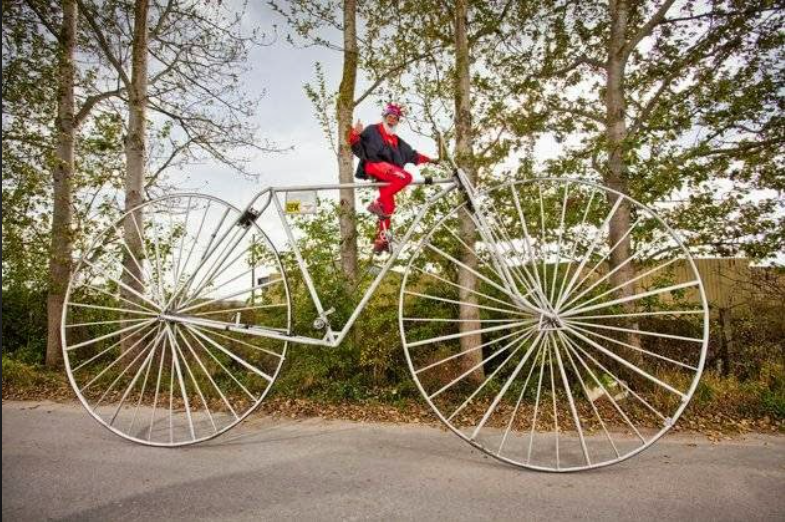
The world’s largest bicycle weighs 150 kg and was built by Didi Senft from Germany. The bicycle’s wheel diameter is 3.3 m. It’s 7.8 m long and 3.7 m high.
In 2019 Sergey Dashevsky rode the smallest bicycle ever made. The minibike is only 8.4 cm long.

The world’s most expensive bicycle costs over $500,000 and is called the Trek Butterfly Madone. It was an artwork done by Damien Hirst that used a bicycle as part of the piece.
In 1888, John Boyd Dunlop, who was a Scottish veterinarian, invented the world’s first inflatable rubber tire. Though the tire was originally invented for use on bicycles it would in later years be used on cars as well.
As the world is becoming more environmentally conscious and concerned about the effects of our modes of transportation on a global scale. The bicycle is more efficient than 100% of other means of transportation, even walking.
With a gradient of 35% the world’s steepest street for a cyclist is Baldwin Street. This street in Dunedin, New Zealand, is even featured in the Guinness World Records.

The world’s longest continuous bicycle path is the EuroVelo 6, spanning over 3,600 kilometres and connecting the Atlantic Ocean to the Black Sea.
With the advances in technology touching every part of human life, it is understandable that bicycles felt the effect too. Electric bicycles, or e-bikes, are bicycles that are powered by electric motors and became popular in the 1990s.
Cycling can reduce annual CO2 emissions by more than 9,000 metric tons in cities with bicycle-sharing programs.
Type 2 diabetes has become a global pandemic, with large numbers of people suffering from the deadly disease. In a study conducted in Finland, people who cycled for more than 30 minutes per day had a 40% lower risk of developing type 2 diabetes.
Crime has not ignored the humble bicycle, and across the world, cyclists are encouraged to lock up their bikes securely. In the UK, 400,000 bikes are stolen each year, which is approximately 1,100 bikes per day.
Since the 1800s, the bicycle has been used to help fight wars. Because the bicycles were quieter than horses and far easier to maintain – no need for food or water – they were very popular.
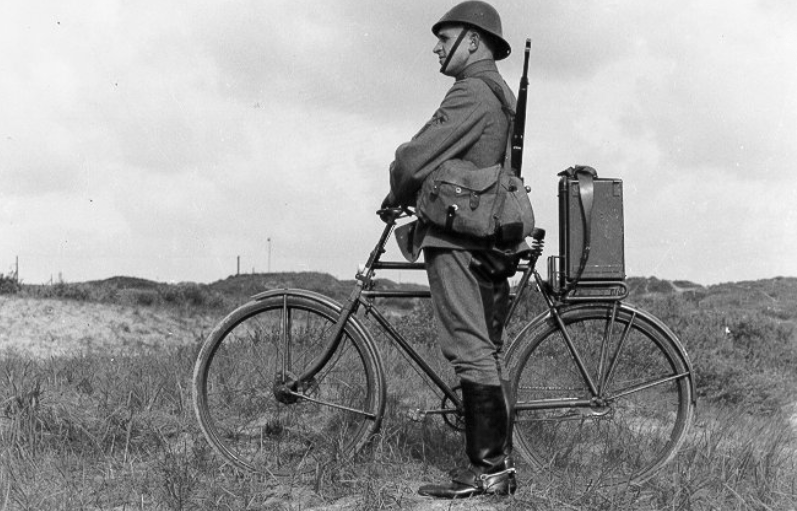
The National World War I Museum houses a stunning collection of more than 160 photographs of military bicycles that were used by the bicycle battalions during that war.
World War II proved again that bicycles were an indispensable tool for soldiers, and from 1939-1945 there were countless men marching across Europe with French folding bicycles on their backs.
Albert Einstein (1879-1955) was perhaps one of the most famous physicists to ever walk the earth, but he was also a keen cyclist. He once famously said: “Life is like riding a bicycle. To keep your balance, you must keep moving.”

John Richard Dedicoat was a British engineer and in 1877, he gave bicyclists the ability to make themselves heard with the invention of the bicycle bell.
The world’s largest bicycle sculpture is the “Cyclisk”, an Egyptian-style Obelisk. The sculpture is in Santa Rosa, California, and is made from over 340 recycled bicycles.

The penny-farthing bicycle, with its large front wheel and small rear wheel, was popular in the late 19th century but gradually faded from use due to safety concerns.
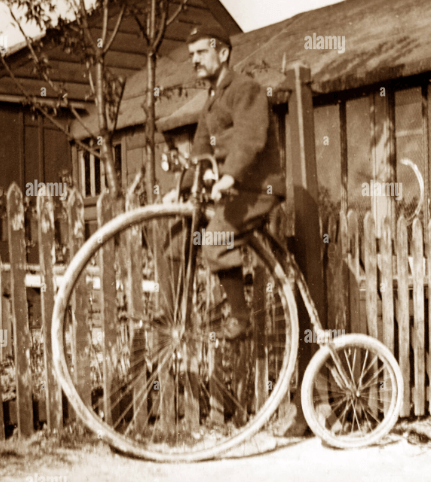
In 1910, seven years after the death of Mark Twain, his essay “Taming the Bicycle” was published. The essay centred around his first experience with a penny-farthing in 1884.
Look Mum No Hands! opened in London in 2010, combining coffee, food, and cycling culture. This bicycle-themed cafe is a cyclist’s dream and is the first of its kind in the world.

The world’s tallest rideable bicycle measures 18 feet (5.5 meters) in height and was built by Richie Trimble in 2013.
The “Bicycle Heaven” in Pittsburgh, Pennsylvania, is the world’s largest bicycle museum, featuring over 3,500 bicycles.
According to the Merriam-Webster dictionary the first recorded use of the word “bicycle” in English was in 1868, derived from the French word “bicyclette.”
Japan made music using bicycle bells in 2016 when they broke the world record for the largest bicycle bell ensemble. The ensemble involved a total of 964 participants.
Discover more from Vigyan Setu Foundation
Subscribe to get the latest posts sent to your email.

