

The theme of the 2024 World Day to Combat Desertification and Drought, 17 June, is “United for Land. Our Legacy. Our Future”, highlighting the future role of land stewardship in ensuring the stability and prosperity of billions of people around the world.
Land sustains life on Earth. Natural spaces such as forests, farmlands, savannahs, peatlands and mountains, provide humanity with the food, water and raw materials it needs to survive.
Yet, more than 2 billion hectares of the world’s land is degraded, affecting more than 3 billion people. Vital ecosystems and countless species are under threat. In the face of more severe and prolonged droughts, sandstorms and rising temperatures, it is crucial to find ways to stop dry land from becoming desert, fresh water sources from evaporating and fertile soil from turning to dust.
Desertification and drought are being made worse by increasingly erratic and extreme weather patterns due to climate change, which puts tens of millions of people each year at risk of displacement.
Here are seven ways to restore land, halt desertification and combat drought –
Make agriculture sustainable
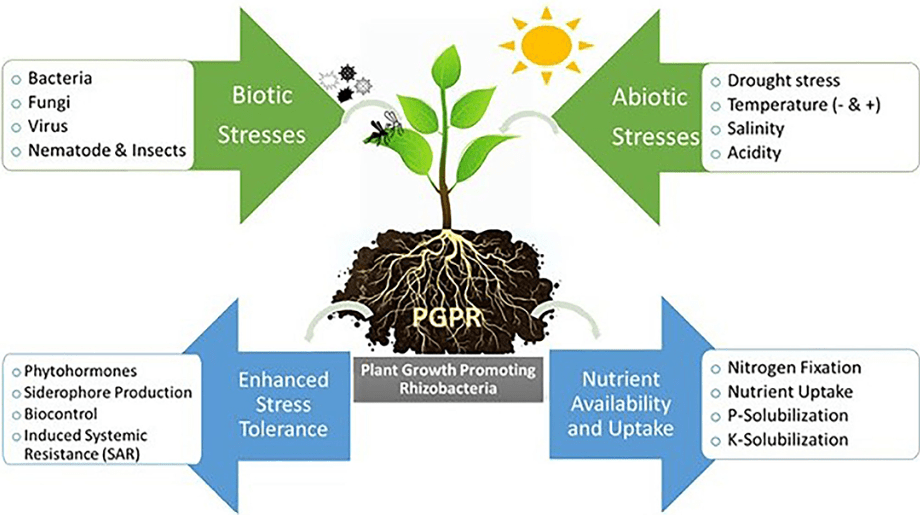
Save the soil

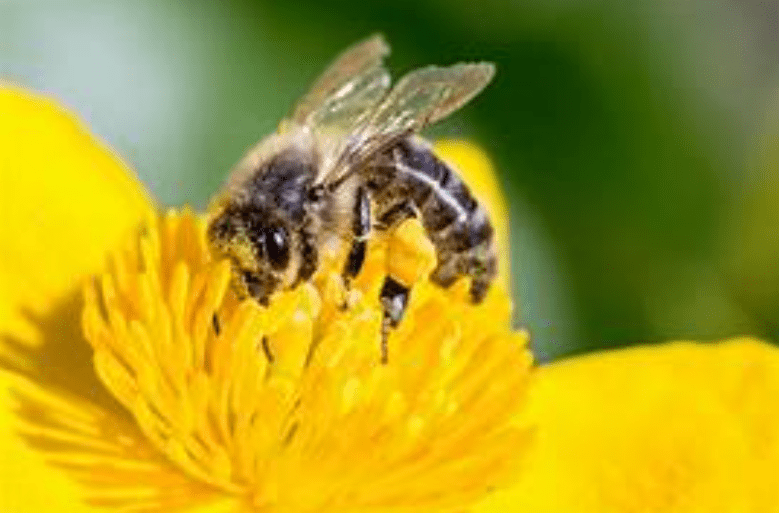
Protect the pollinators
Restore freshwater ecosystems

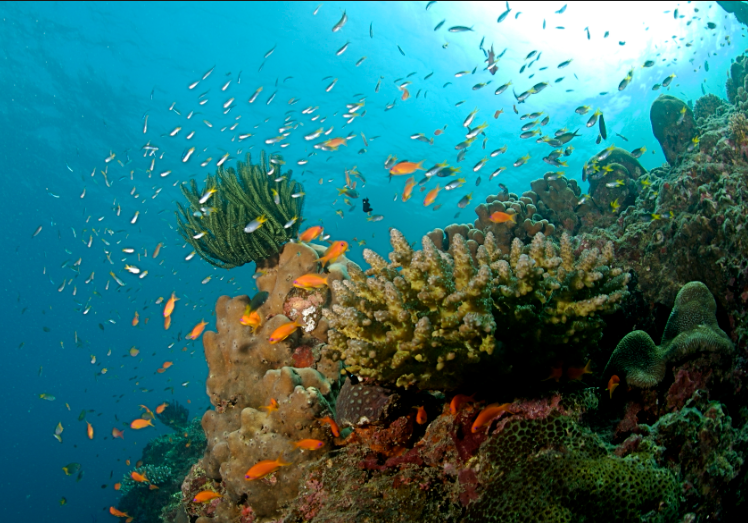
Renew coastal and marine areas
Bring nature back to cities

Generate financing for restoration

Here are some interesting facts about Deserts;
- There are four different types of deserts: Hot deserts: These are hot the entire year and have scorching temperatures during summers. Coastal deserts: The winters are cool, but the summers are warm. Icy deserts: They are found in mountainous regions and are characterized by hot summers and freezing winters with little to no rainfall. Cold deserts: These polar regions’ deserts remain freezing all year round.
- Plants need water and sunlight to thrive. Although sunlight is abundant in deserts, water can be seriously scarce. Fortunately, the desert plant has miraculous adaptations that let them store water in the leaves. Their roots are long enough to reach the deep ends of the soil to extract any moisture for survival.
- Deserts can have numerous exotic species of plants, mammals, and reptiles. The Arctic desert alone has over 700 plants such as shrubs and lichens and around 120 animal species, including polar bears, arctic fox, walruses, and caribou.
- Usually, deserts are a place for nocturnal animals that hunt at night, including rattlesnakes, rodents, bats, and bobcats. Furthermore, the tortoise is a resilient desert animal since it can survive without water for a year and tolerate temperatures of more than 50 degrees.
- Similarly, camels are often found in deserts and can go for weeks without water. Plus, their humps lock in the heat that keeps them warm during the nights.
- Deserts are a goldmine for solar power generation since you can find plenty of sunlight and silicon. Furthermore, the earth’s deserts receive more power from the sun in six hours than humans can consume during a year.
- Judeau Desert: The Land of Historical Artifacts. It’s a small desert (1500 km) in Israel that is a haven for historical sites of nature reserves, monasteries, and panoramas. Moreover, farming has been carried out in the desert since the 7th Century.
- Scientists discovered the first dinosaur eggs measuring 9 inches long in 1923 in the Gobi Desert.
- Carcross is the smallest desert found in Yukon, Canada. It just expands one square inch mile, roughly translating to 2.59 square km.
- Nearly 50 years ago, a new desert surfaced in Afghanistan known as Aralkum, measuring 45,000 square km. However, the desertification occurred primarily due to man-made toxic pesticides that erode the agricultural capability of the Land.
Discover more from Vigyan Setu Foundation
Subscribe to get the latest posts sent to your email.

