

Theme for the 10th International Day of Yoga is “Yoga for Women’s Empowerment.”
The goal is to transform yoga into a widespread movement that emphasizes women’s well-being and promotes global health and peace.
Female empowerment aims to create a society in which all women can make their own choices and are able to act with confidence. Through regular yoga practice, women can not only tone their bodies, but also cultivate a sense of mental resilience and determination, empowering them in various stages of their lives. Yoga’s focus on mindful breathing, meditation, and gentle movement helps calm the nervous system, lower stress hormone levels, and promote a sense of inner peace. Regular practice fosters mental well-being and emotional resilience.
Yoga is an ancient physical, mental and spiritual practice that originated in India. The word ‘yoga’ derives from Sanskrit and means to join or to unite, symbolizing the union of body and consciousness. Today, it is practiced in various forms around the world and continues to grow in popularity.
Here are the top benefits of yoga
Improves Flexibility
Moving your body and stretching in new ways will help you become more flexible, bringing a greater range of motion to tight areas. Over time, you can expect to gain flexibility in your hamstrings, back, shoulders, and hips.
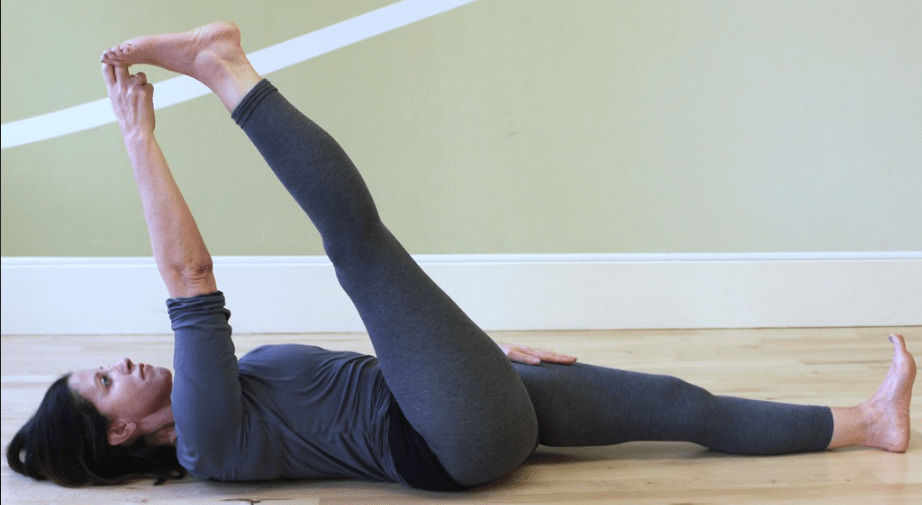
Builds Strength
Many yoga poses require you to bear your body weight in new and often challenging ways, including balancing on one leg or supporting yourself with your arms. Holding these poses over the course of several breaths helps build muscular strength and endurance. As a byproduct of getting stronger, you can expect to see increased muscle tone. Yoga helps shape long, lean muscles in your legs, arms, back, and abdomen.

Improves Balance
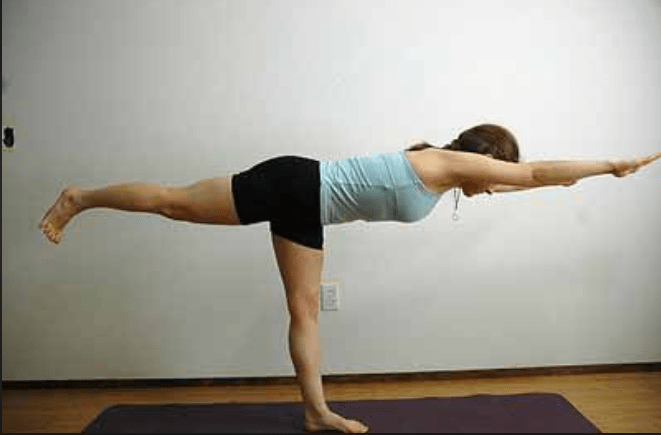
Balance training is important at any age. Athletes find it can make them more powerful2 and those who are active find that it can boost their workouts and level of fitness. Balance training improves posture and functionality to help you move more efficiently through everyday life.
Exercises that strengthen and stabilize the core can promote agility and prevent accidents from stumbling or falling. Improved balance is one of the most important benefits of yoga, especially as you get older. Poses that require you to stand on one leg, and, for more advanced practitioners, turn you upside-down in an inversion, can be a great way to build the core strength to hold you upright.
Supports Joint Health
The movements necessary for yoga are low-impact, allowing you to use your joints without injuring them. Yoga also helps strengthen the muscles around the joints, lessening their load. People with arthritis often see a marked improvement in their pain and mobility with regular gentle yoga practice.
Eases and Prevents Back Pain
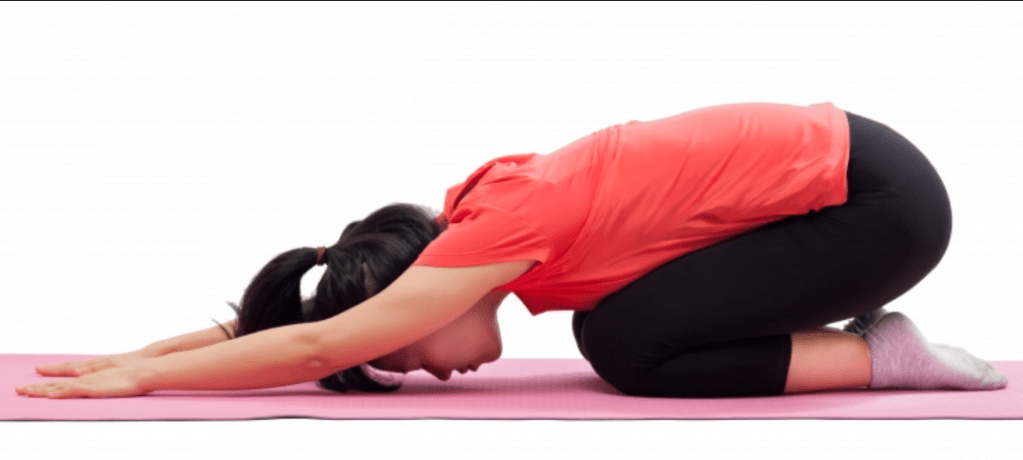
Increased flexibility and strength can help prevent the causes of some types of back pain. Many people who have back pain spend a lot of time sitting at a computer or driving a car, which causes tightness throughout the body and spinal compression. Yoga counteracts these conditions, as studies show that the practice can help to ease common symptoms of back pain.

Teaches Better Breathing
Most of us take shallow breaths and don’t give much thought to how we breathe. Yoga breathing exercises, called pranayama, focus our attention on breathing and teach us how to take deeper breaths, which benefits the entire body.
Breathwork in yoga can have physical and mental benefits both on and off the mat. Certain types of pranayama such as Skull Shining Breath (Kapalabhati Pranayama) can also help clear the nasal passages (helpful for people with allergies), and Ujjayi Breath can help calm the nervous system.

Fosters Mental Calmness
Yoga asana practice is intensely physical. Concentrating on what your body is doing has the effect of bringing calmness to your mind. Yoga also introduces you to meditation techniques, such as how to focus on your breath and disengage from your thoughts. These skills can prove to be very valuable in intense situations off the mat, like childbirth, a bout of insomnia, or when having an anxiety attack.
Reduces Stress
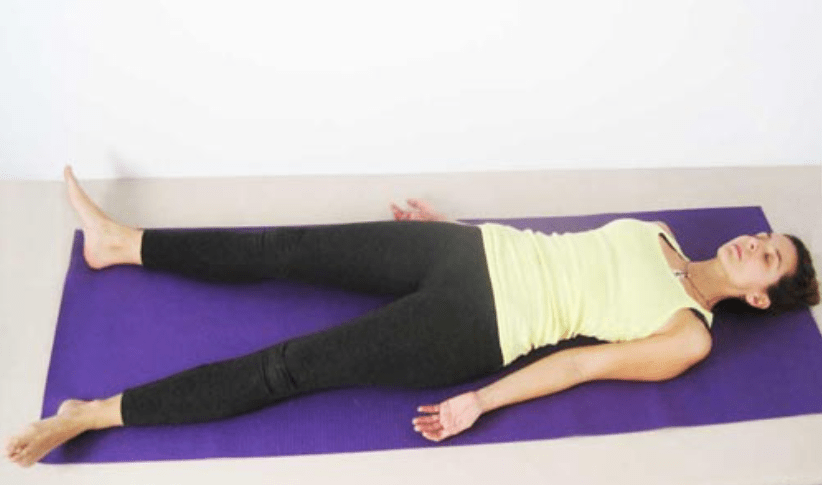
Physical activity is good for relieving stress, and this is particularly true of yoga. Because of the concentration required, your daily troubles, both large and small, can seem to melt away during the time you are on the mat. This provides a much-needed break from your stressors, as well as helping to put your problems into perspective.
The emphasis yoga places on being in the present moment can also help as you learn not to dwell on past events or anticipate the future. You will leave a yoga class feeling less stressed than when you started since yoga reduces cortisol levels.
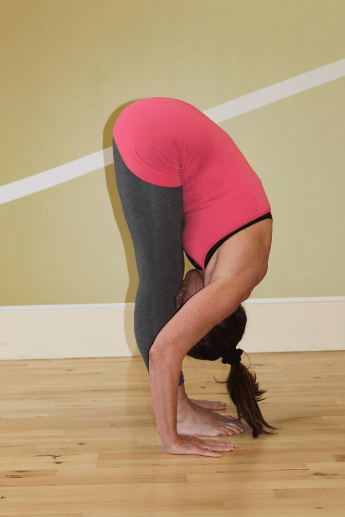
Increases Self-Confidence
Doing yoga improves your mind-body connection, giving you a better awareness of your own body. During yoga, you learn to make small, subtle movements to improve your alignment, putting you in better touch with your physical body. You also learn to accept your body as it is without judgment. Over time, this leads to feeling more comfortable in your own body, boosting your self-confidence.

Boosts Heart Health
Heart disease is the leading cause of death worldwide and research shows that yoga can potentially help to prevent it. Yoga is good for your heart because it increases circulation and blood flow.

Improves Sleep
Many people who practice yoga report that it helps them to sleep better and a large body of scientific evidence supports this claim. In fact, a review of 49 studies involving more than 4,500 participants determined that mind-body practices like meditation or yoga can be beneficial to those with insomnia and other sleep disorders.
Discover more from Vigyan Setu Foundation
Subscribe to get the latest posts sent to your email.

