

Celebrating the King of the Jungle
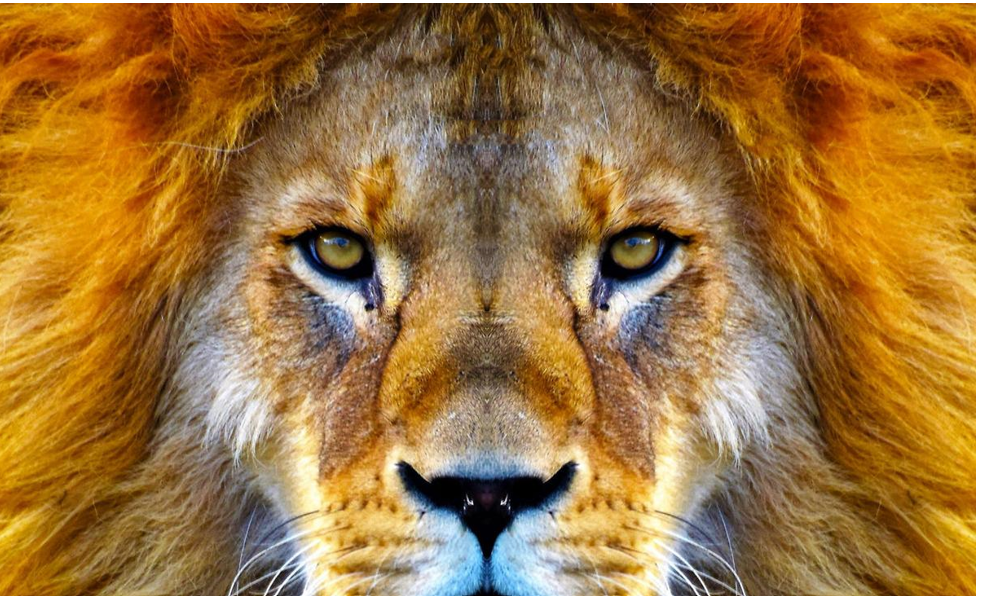
Every year on August 10th, World Lion Day is observed as a global campaign to raise awareness about the majestic lion. This day is more than just a celebration; it’s a mission to preserve one of Earth’s most iconic species. It serves as a reminder of our responsibility to protect the delicate ecosystems that lions inhabit. Through collective efforts, we can ensure that future generations continue to be inspired by the grace and majesty of these incredible predators.
Lions, as apex predators, play a vital role in maintaining the ecological balance of their habitats. They regulate prey species, keeping populations of herbivores like zebras and wildebeests in check. This, in turn, impacts the vegetation, as overgrazing by herbivores can lead to soil erosion and other environmental issues. Without lions, the intricate balance of these ecosystems would be disrupted.
Beyond their ecological importance, lions hold profound cultural significance. They are revered in art, literature, and folklore across various cultures. From the ancient sphinxes of Egypt to the symbolic lions in heraldry, these big cats have long been symbols of strength and nobility.
Today, however, lions face numerous challenges in the wild, including habitat loss, conflicts with humans, and dwindling prey populations. World Lion Day brings attention to the decline of lion populations and highlights the efforts being made to prevent them from becoming endangered. It also serves as an opportunity to celebrate their cultural significance and the critical role they play in the natural world.
Fascinating Facts About Lions
Lions are among the most revered big cats in the animal kingdom, admired for their striking appearance, social behavior, and hunting prowess. This write-up delves into their anatomy, social structure, diet, and the conservation challenges they face.
Physically, lions are distinguished by their robust, muscular bodies and attractive coats, which range in color from pale yellow to deep brown. Male lions are especially notable for their majestic manes, which grow darker and more extensive with age, signaling strength and maturity. These manes not only enhance their imposing presence but also serve as a deterrent to rival males.
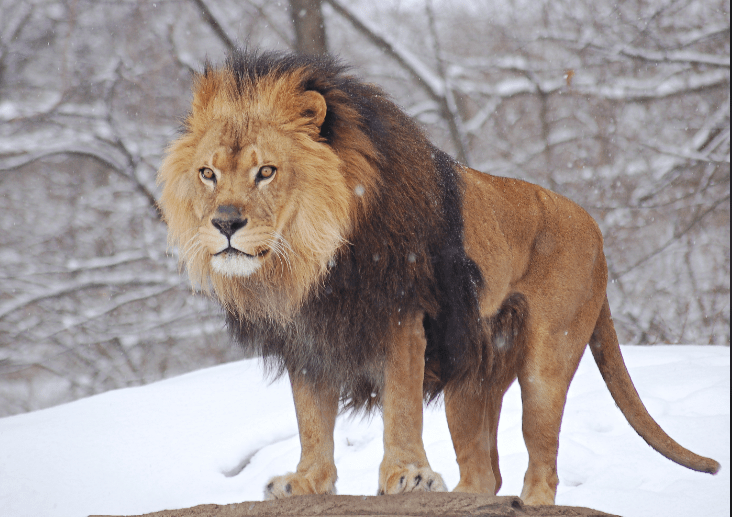
Adult male lions typically weigh between 330 to 550 pounds, while females are slightly smaller, ranging from 265 to 395 pounds. Equipped with powerful jaws, sharp teeth, and retractable claws, lions are formidable hunters capable of taking down large prey.
Lions’ iconic appearance, particularly the males with their prominent manes, has contributed to their reputation as the “King of the Jungle,” even though they primarily inhabit grasslands and savannahs.
The Social Structure of Lions
Lions are unique among big cats in their social structure, living in groups known as prides. A typical lion pride consists of 15 to 20 members, including a few adult males, several adult females, and their cubs. The pride is not just a social unit but also a functional one, with each member playing a specific role.
Within a pride, one or more males, often brothers or close relatives, hold dominance. These males are responsible for defending the territory from rival males, marking their boundaries with scent, and using their powerful roars, which can be heard up to 5 miles away, to ward off intruders. The dominant males also mate with the females within the pride.
The females, often sisters, mothers, and daughters, are the primary hunters, working together to stalk and capture prey. Their cooperation extends to raising the young, with females often nursing and caring for each other’s cubs.
Cubs remain within the pride, cared for by all the females, until they reach maturity. Male cubs eventually leave the pride to form their own coalitions and seek to take over another pride. Female cubs generally stay within the pride they were born into.
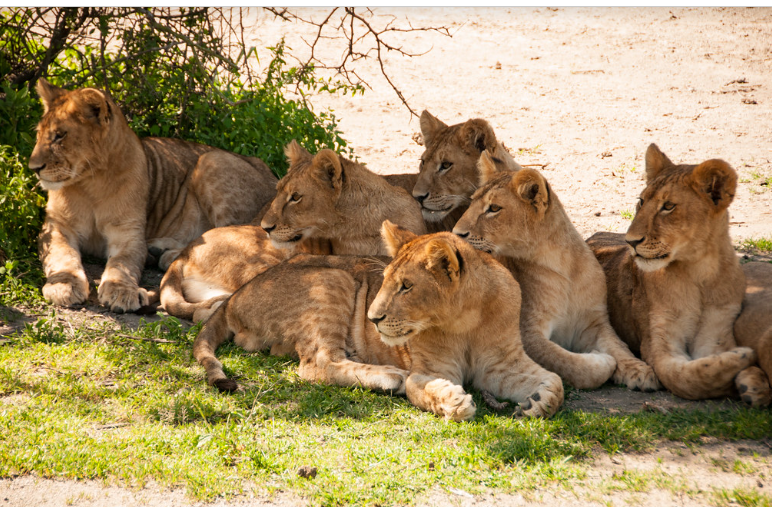
Lions are highly social animals, and interactions within the pride include grooming, playing, and communicating through various vocalizations and body language. These interactions strengthen social bonds and help maintain harmony within the pride.
However, the social structure can be turbulent, particularly when a new coalition of males takes over a pride. This often leads to the killing of existing cubs, as the new dominant males aim to sire their own offspring with the females.
In conclusion, the social structure of lions revolves around the pride, with complex roles and relationships defining their daily lives. This communal living arrangement is crucial to their survival, enabling them to hunt effectively and raise their young in a cooperative environment.
Sources of information: https://www.earth.com/news/world-lion-day-celebrating-the-king-of-the-jungle/
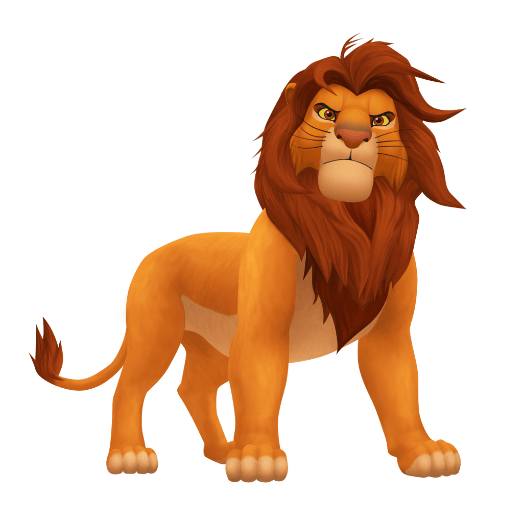
By the way, The Lion King, is celebrating three decades of Simba‘s extraordinary coming-of-age adventure.
Discover more from Vigyan Setu Foundation
Subscribe to get the latest posts sent to your email.

