
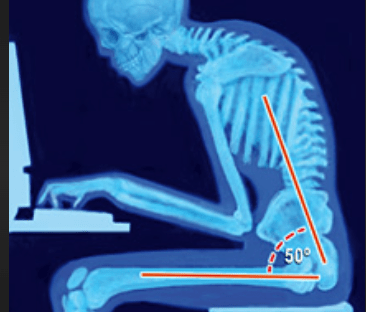
Physiotherapy and Low back Pain
Every year, September 8th is celebrated as World Physiotherapy Day, signifying the unity and solidarity of the global physiotherapy community, and serving as an opportunity to acknowledge the invaluable contributions made to their patients and society.

World Physiotherapy Day was established in 1996, marking the anniversary of the founding of World Physiotherapy in 1951. Since then, September 8th has been a day to honour the dedication and expertise of physiotherapists worldwide. The professionals, who are instrumental in helping people recover from injuries, manage chronic conditions, and maintain overall physical health.
World Physiotherapy Day is a tribute to the hard work and dedication of physiotherapists worldwide. It is a day to acknowledge their contributions to health and well-being, and to spread awareness about the importance of physical therapy in our lives.
Physiotherapists have different titles in different countries, including physical therapists or kinesiologist, but they are all part of the same profession. These professionals provide services that develop, maintain and restore people’s maximum movement and functional ability. They can help people at any stage of life, when movement and function are threatened by ageing, injury, diseases, disorders, conditions or environmental factors. Physiotherapists help people maximise their quality of life, looking at physical, psychological, emotional and social wellbeing.
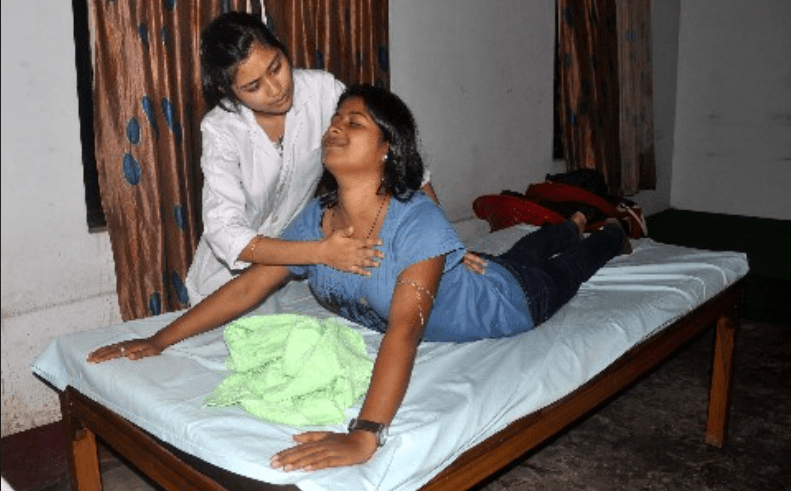
This year’s World Physiotherapy Day focuses on low back pain (LBP) and the important role physiotherapy plays in both its prevention and management. The campaign emphasizes these key messages:
- LBP is the leading cause of disability worldwide, with 619 million people affected in 2020—roughly 1 in 13 individuals.
- People of all ages can experience LBP, and most will encounter it at some point in their lives. However, it only becomes chronic (lasting over three months) for a small percentage.
- 90% of LBP cases are non-specific, meaning there is no clear source (such as a joint, muscle, ligament, or disc), nor is it linked to a serious underlying disease.
- LBP is the condition for which the highest number of people could benefit from rehabilitation.
- Physiotherapists provide expert care, offering advice, treatment, and guidance to improve overall health and well-being, while lowering the risk of future LBP episodes.
- At all stages and in all forms of LBP, rehabilitation is crucial. It helps people understand and manage their pain, supports recovery, restores activities they enjoy, and promotes independence in daily life.
- Non-surgical treatments are recommended for managing LBP. Physiotherapists specialize in this area and can offer personalized care, including:
- Education programs to promote self-care and knowledge.
- Supervised exercise programs tailored to individual needs.
- Physiotherapy interventions such as manual therapy.
- Research shows that exercise is the most effective treatment for LBP. No one type of exercise has been proven superior; staying active and being consistent are what matter most.
Remember: Your physiotherapist will help you find the exercise routine that suits you best.
Discover more from Vigyan Setu Foundation
Subscribe to get the latest posts sent to your email.

