
This first World Sustainable Transport Day reminds us that the road to a better future depends on cleaner and greener transportation systems. António Guterres, Secretary-General of the United Nations
Transport is vital for promoting connectivity, trade, economic growth and employment. Yet it is also implicated as a significant source of green-house gas emissions. Resolving these trade-offs is essential to achieving sustainable transport and, through that, sustainable development.
In its 2016 report, the Secretary-General’s High-level Advisory Group defined sustainable transport as “the provision of services and infrastructure for the mobility of people and goods — advancing economic and social development to benefit present and future generations — in a manner that is safe, affordable, accessible, efficient, and resilient, while minimizing carbon and other emissions and environmental impacts.”
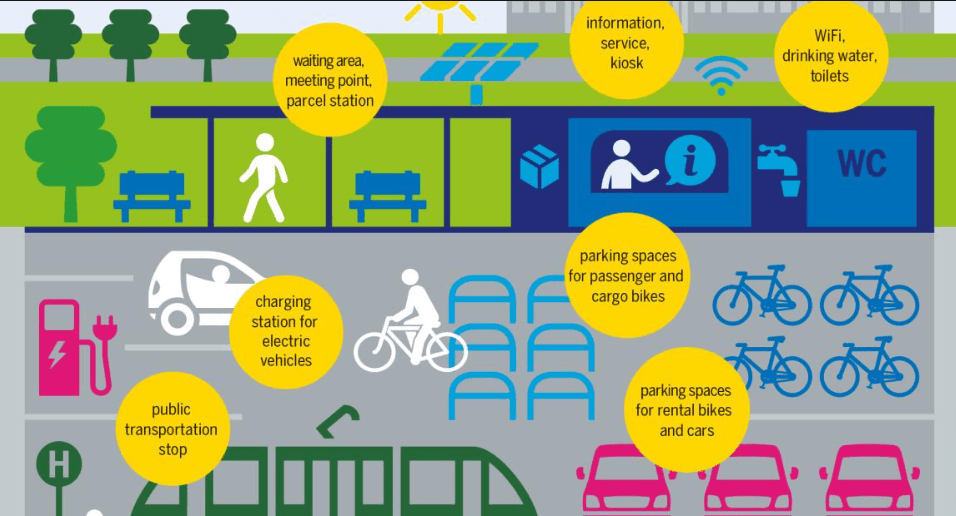
Sustainable transport is therefore not an end, but a means to achieve sustainable development.
Sustainable transport — with its objectives of universal access, enhanced safety, reduced environmental and climate impact, improved resilience, and greater efficiency — is central to sustainable development.
Apart from providing services and infrastructure for the mobility of people and goods, sustainable transport is a cross-cutting accelerator, that can fast-track progress towards other crucial goals, such as eradicating poverty in all its dimensions, reducing inequality, empowering women, and combatting climate change.
Sustainable transport solutions: What does the future hold?
For the past few years, together with traditional bikes, skates and skateboards, many new modes of transport have appeared. Some of these examples of sustainable transport include electric scooters, hover boards, Segways, electric bikes, in essence the appearance of personal mobility vehicles (PMV). These modes of transport are still an environmentally friendly alternative in most cases.
Electric bikes increasingly substitute cars for journeys of medium distances, reducing CO2 emissions by 100, but also costs. Nevertheless, its battery optimisation continues to be researched, as up until now it is made of lithium ions. In fact, this material complicates recycling and limits the lifespan of the battery. Alternatives are starting to arise based on sodium, fluoride or zinc-air ions.
Electric scooters issue less CO2 than cars but more than public transport does. In many cases it does not substitute cars but rather bikes, walks, buses and the metro. Moreover, its use is generally individual and has a short lifespan: between a year and a half and three years, or even less than a month when they are rented as they are not well-maintained, are thrown into rivers, etc.
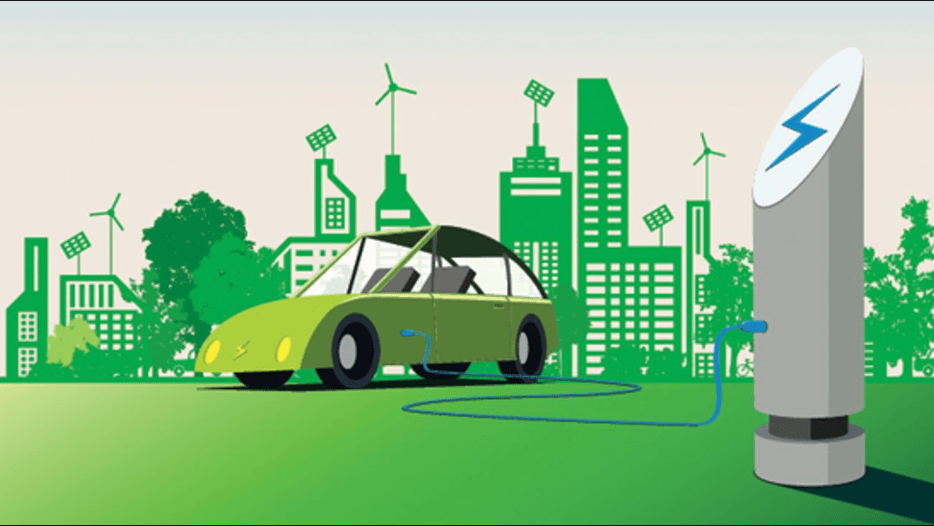
Hydrogen vehicles are a new mode of transport promoted by cities, especially for buses. They must be equipped with fuel batteries which allow hydrogen to come into contact with Oxygen and create electricity. The vehicle therefore only emits water. Nevertheless, the energy balance of hydrogen vehicles depends primarily on the type of energy used to produce the chemical reaction (fossil fuels or renewables).
Discover more from Vigyan Setu Foundation
Subscribe to get the latest posts sent to your email.

