
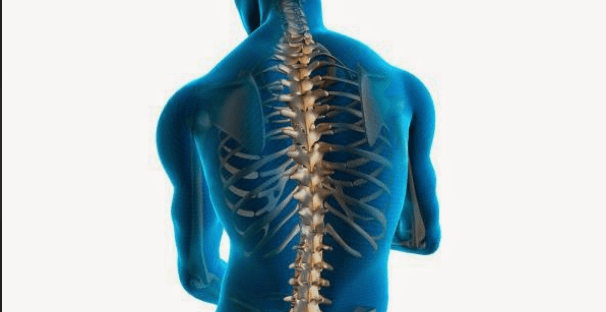
World Spine Day, celebrated globally on October 16 each year, highlights the burden of spinal pain and disability around the world. This day brings the importance of spinal health and well-being to the fore. Promotion of physical activity, good posture, responsible lifting, and healthy working conditions will all feature as people are encouraged to look after their spines and stay active. An estimated one billion people worldwide suffer with spinal pain. It affects people across the life course and is the biggest single cause of disability on the planet.
World Spine Day aims to
- Increase Public Awareness and Education on Spinal Health
- Encourage Active Participation in Spinal Health Activities
- Promote Collaboration Among Health Professionals and Organizations
- Advocate for Policies and Programs Supporting Spinal Health
“Support Your Spine” is a call to action for individuals to prioritize spinal health across all aspects of life. Whether at home, in the workplace, schools, or within our communities, fostering healthy habits is essential to support the spine throughout the various stages of life.
Here are some facts about Spine:
The human spine is very flexible because it has over 120 muscles attached to it.
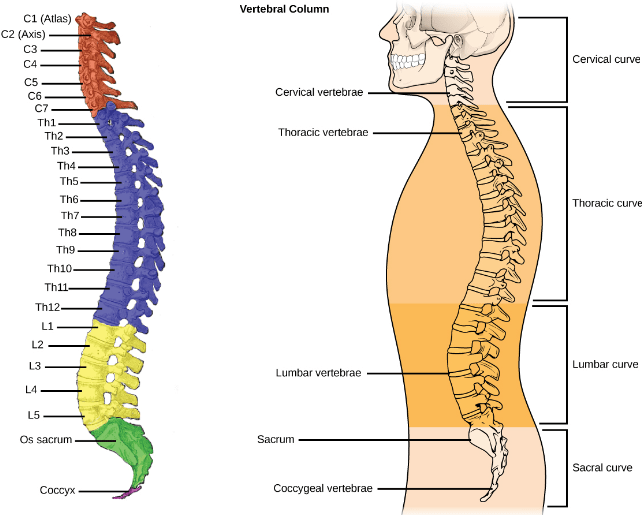
The average human spine has about 220 ligaments, 100 joints, 120 muscles, and 33 vertebrae. However, the vertebrae in the sacrum and coccyx have fused.
Cervical vertebrae are sometimes called Atlas vertebrae, in reference to the Greek mythological figure who was burdened with carrying the world on his shoulders.
The average spinal cord weighs around 35 grams.
An average person loses as much as 1/3 of an inch in height every ten years.
Over 25% of a spine’s strength is due to cartilage.
The spine is very flexible. If it were separated from the body and bent, it would form 2/3 of a circle.
A human spinal cord is just 0.4 to 0.6 inches thick.
A human spinal cord stops growing at the age of five. After that, your body grows around the spinal cord.
There are 13.5 million neurons in the spinal cord.
The spinal cord can function independently of the brain and can send messages directly to muscles.
Low back pain is the single leading cause of disability worldwide.
Because slouching puts pressure on the bladder, poor posture can lead to urinary incontinence when one sneezes or coughs.
Smoking is bad for lungs and other organs and especially the spine. It reduces bond strength and blood flow that the spine needs to stay strong. Smoking also tends to make people less physically active, which is essential to back strength.
Sitting hunched over puts 200 pounds of pressure on the lumbar spine.
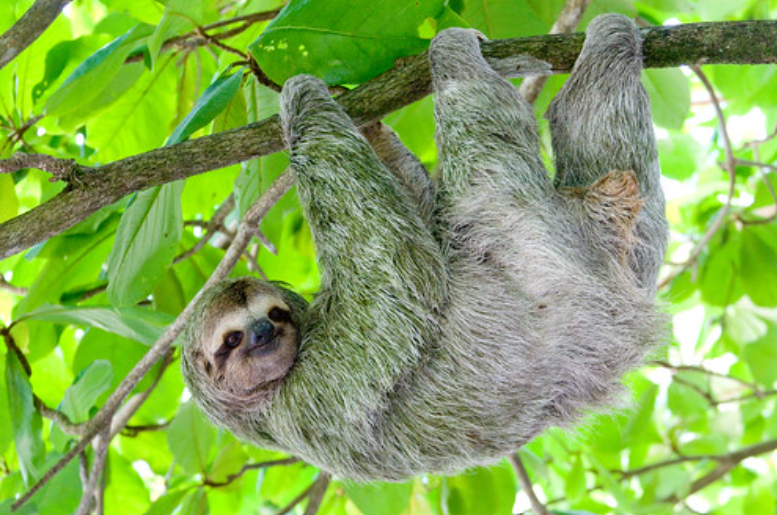
Unlike nearly every other mammal that has 7 vertebrae in the neck, sloths have up to 10. The extra bones are rib cage vertebrae masquerading as neck vertebrae. This allows them to move their necks up to 270 degrees in either direction.
Less than 5% of known animal species are vertebrates (animals that have a backbone or spinal column).
An estimated 50,000 animal species have a vertebral column. However, 90% of all animals do not have one.
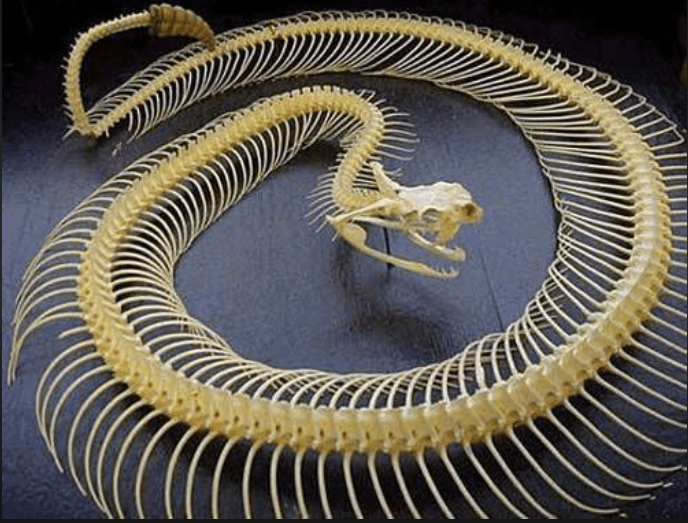
Humans have about 33 vertebrae and 24 ribs. Snakes have between 200–400 vertebrae, with as many ribs attached.
Giraffes have seven cervical vertebrae in their necks. Humans have seven cervical vertebrae, too.
In turtles, some vertebrae may be fused to the shell.
The vertebral column evolved about 500 million years ago, during the Cambrian explosion. This is when the Earth’s oceans filled with a vast array of new life.
Discover more from Vigyan Setu Foundation
Subscribe to get the latest posts sent to your email.

