
18 – 24 November
Antimicrobial resistance (AMR) occurs when bacteria, viruses, fungi and parasites change over time and no longer respond to medicines, making infections harder to treat and increasing the risk of disease spread, severe illness and death. As a result of drug resistance, antibiotics and other antimicrobial medicines become ineffective and infections become increasingly difficult or impossible to treat.
A global action plan to tackle the growing problem of resistance to antibiotics and other antimicrobial medicines was endorsed at the Sixty-eighth World Health Assembly in May 2015. One of the key objectives of the plan is to improve awareness and understanding of AMR through effective communication, education and training.
World AMR Awareness Week (WAAW) is a global campaign that is celebrated annually to improve awareness and understanding of AMR and encourage best practices among the public, One Health stakeholders and policymakers, who all play a critical role in reducing the further emergence and spread of AMR.
Key facts
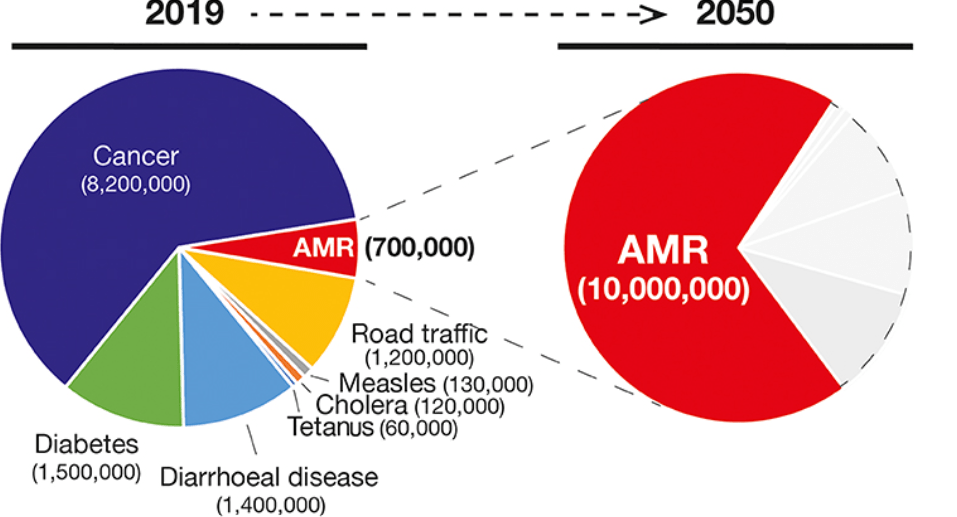
- Antimicrobial resistance (AMR) is one of the top global public health and development threats. It is estimated that bacterial AMR was directly responsible for 1.27 million global deaths in 2019 and contributed to 4.95 million deaths.
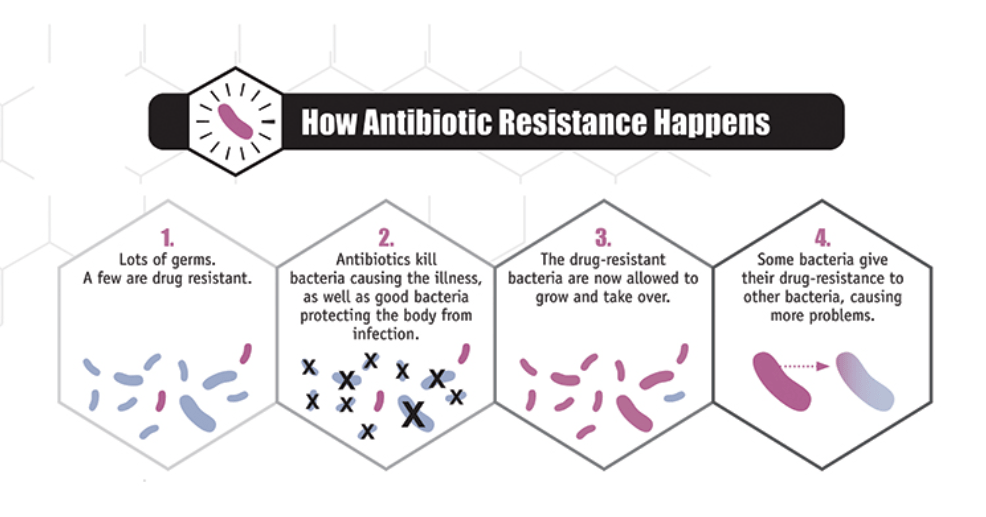
- The misuse and overuse of antimicrobials in humans, animals and plants are the main drivers in the development of drug-resistant pathogens.
- AMR affects countries in all regions and at all income levels. Its drivers and consequences are exacerbated by poverty and inequality, and low- and middle-income countries are most affected.
- AMR puts many of the gains of modern medicine at risk. It makes infections harder to treat and makes other medical procedures and treatments – such as surgery, caesarean sections and cancer chemotherapy – much riskier.
- The world faces an antibiotics pipeline and access crisis. There is an inadequate research and development pipeline in the face of rising levels of resistance, and urgent need for additional measures to ensure equitable access to new and existing vaccines, diagnostics and medicines.
- In addition to death and disability, AMR has significant economic costs. The World Bank estimates that AMR could result in US$ 1 trillion additional healthcare costs by 2050, and US$ 1 trillion to US$ 3.4 trillion gross domestic product (GDP) losses per year by 2030.
- Priorities to address AMR in human health include preventing all infections, which may result in inappropriate use of antimicrobials; ensuring universal access to quality diagnosis and appropriate treatment of infections; and strategic information and innovation, for example surveillance of AMR and antimicrobial consumption/use, and research and development for novel vaccines, diagnostics and medicines.
A global concern
Antimicrobial medicines are the cornerstone of modern medicine.The emergence and spread of drug-resistant pathogens threatens our ability to treat common infections and to perform life-saving procedures including cancer chemotherapy and caesarean section, hip replacements, organ transplantation and other surgeries.
In addition, drug-resistant infections impact the health of animals and plants, reduce productivity in farms, and threaten food security.
AMR has significant costs for both health systems and national economies overall. For example, it creates need for more expensive and intensive care, affects productivity of patients or their caregivers through prolonged hospital stays, and harms agricultural productivity.
AMR is a problem for all countries at all income levels. Its spread does not recognize country borders. Contributing factors include lack of access to clean water, sanitation and hygiene (WASH) for both humans and animals; poor infection and disease prevention and control in homes, healthcare facilities and farms; poor access to quality and affordable vaccines, diagnostics and medicines; lack of awareness and knowledge; and lack of enforcement of relevant legislation. People living in low-resource settings and vulnerable populations are especially impacted by both the drivers and consequences of AMR.
Discover more from Vigyan Setu Foundation
Subscribe to get the latest posts sent to your email.


Very well written and Highly informative. Easily understood by the students also.
LikeLike